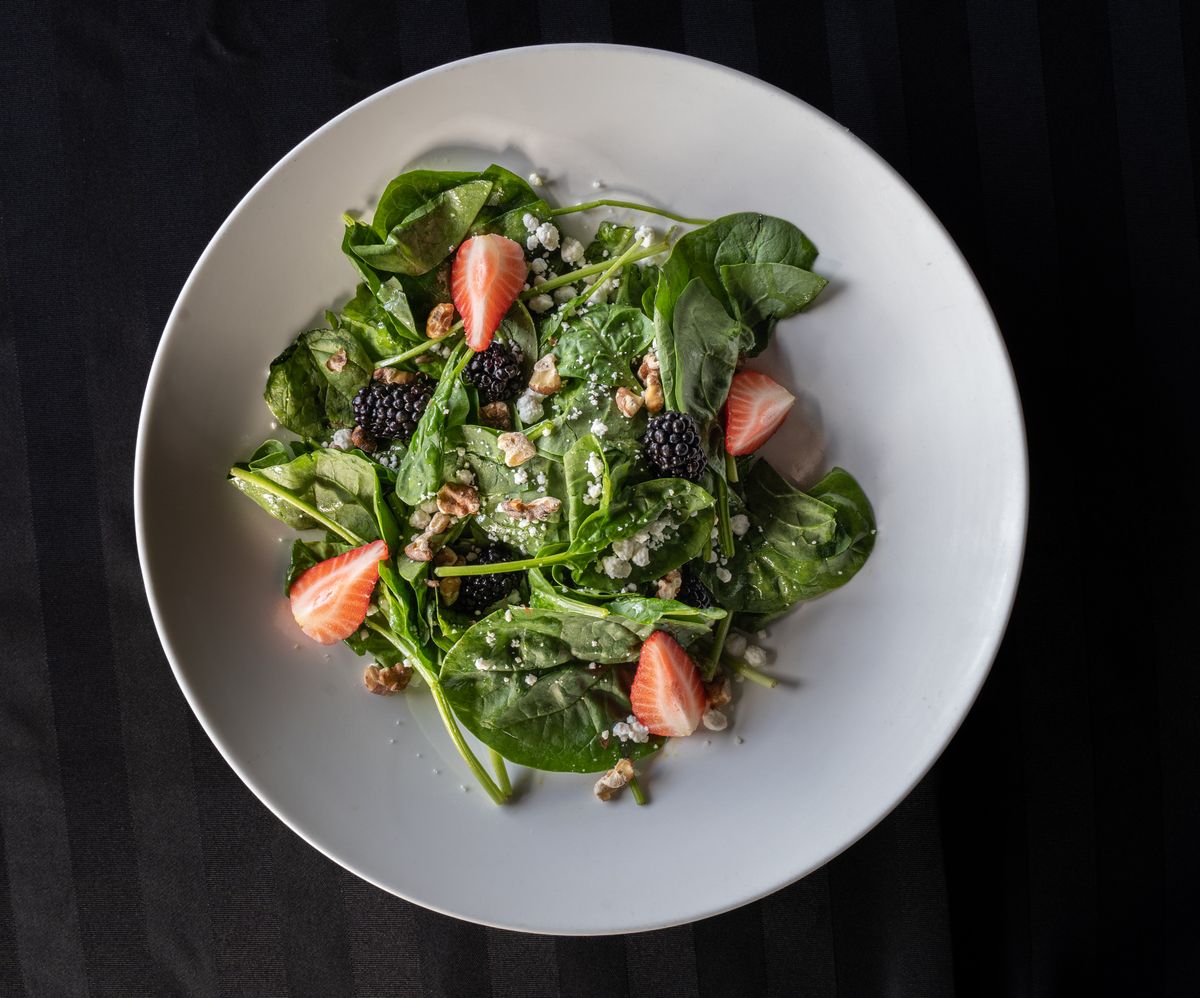
The MIND diet for vegetarians is one of the easiest ways to eat for a healthier brain without eating meat or fish. It takes a well-studied eating pattern and swaps the chicken and fish for beans, tofu, eggs, nuts and seeds. Why is everyone talking about it right now? In October 2026, a long-term study of more than 1,600 adults linked closer MIND diet habits to slower brain aging on MRI scans. News outlets ran headlines saying the diet may keep the brain about 2.5 years “younger.” The clip spread fast on social media.
There is a catch for meat-free eaters. The original MIND diet asks for poultry twice a week and fish once a week. So many vegetarians are left wondering: does it still work for me, and what do I eat instead?
This guide answers that question. You will learn what the research really says, which foods to swap, the nutrients vegetarians need to watch, and a full 7-day meatless meal plan you can start this week. If you are new to plant-forward eating, you may also like our guide to the Mediterranean diet for vegetarians, the “parent” pattern the MIND diet grew from.
What is the MIND diet?
MIND stands for “Mediterranean-DASH Intervention for Neurodegenerative Delay.” That is a long name for a simple idea: combine the best parts of two heart-healthy diets and focus on foods linked to brain health. Researchers at Rush University Medical Center and the Harvard T.H. Chan School of Public Health introduced it in 2015, according to Harvard’s Nutrition Source review of the MIND diet.
The two parent diets. The Mediterranean diet is built on vegetables, fruit, whole grains, beans, nuts and olive oil. Read our Mediterranean diet 101 guide for the basics. The DASH diet was designed to lower blood pressure. It limits salt, sweets and saturated fat.
What makes MIND different. The MIND diet is more specific than either parent. It does not just say “eat more fruit.” It singles out berries. It does not just say “eat vegetables.” It puts leafy greens in their own group. It also gives you simple weekly targets instead of calorie counts. There are no banned foods and no strict meal plans. That flexibility is why the MIND diet adapts so well to vegetarian eating.
The 10 “brain-healthy” and 5 “limit” groups. The classic MIND score uses about 15 food groups. Ten are foods to eat more of (whole grains, leafy greens, other vegetables, nuts, beans, berries, poultry, fish, olive oil and, in the original version, a small amount of wine). Five are foods to limit: red meat, butter and stick margarine, cheese, pastries and sweets, and fried or fast food. For vegetarians, only two of the ten “eat more” groups need a swap: poultry and fish. Everything else is already plant-based. Since wine is optional and not advised for everyone, this guide focuses on the 9 food groups you can actually build meals around.
How the MIND diet for vegetarians works
The MIND diet for vegetarians keeps the same weekly targets as the original plan. You simply replace poultry and fish with protein-rich plant foods and eggs, and add a daily source of plant omega-3s.
The targets below come from Harvard’s MIND diet review. The vegetarian swaps are our practical suggestions, not part of the official scoring.
MIND diet for vegetarians food list (weekly targets)
| Food group | Original MIND target | Vegetarian version | Easy examples |
|---|---|---|---|
| Whole grains | 3+ servings a day | Same | Oats, brown rice, quinoa, whole-wheat bread, barley |
| Leafy greens | 6+ servings a week | Same (aim for daily) | Spinach, kale, romaine, Swiss chard, arugula |
| Other vegetables | 1+ serving a day | Same | Broccoli, peppers, carrots, tomatoes, mushrooms |
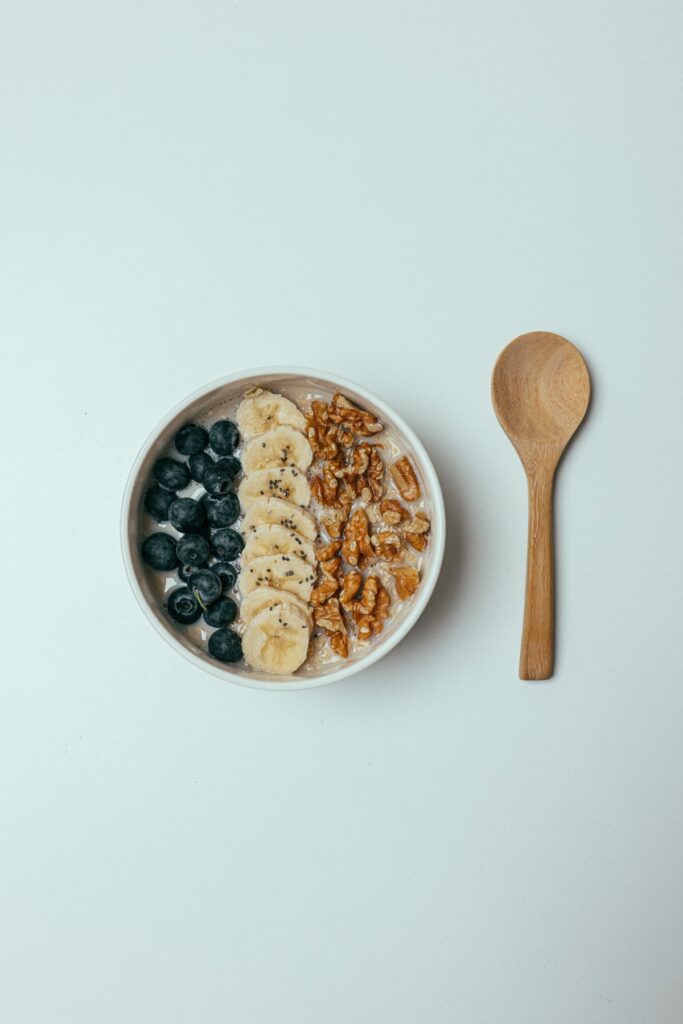
| Nuts | 5+ servings a week | Same (walnuts first) | Walnuts, almonds, pistachios, peanut butter (no added sugar) |
| Beans and lentils | 4+ meals a week | 5–7 meals a week | Lentils, chickpeas, black beans, edamame, split peas |
| Berries | 2+ servings a week | Same (fresh or frozen) | Blueberries, strawberries, raspberries, blackberries |
| Poultry | 2+ meals a week | Swap: tofu, tempeh or eggs, 2+ meals a week | Tofu stir-fry, tempeh bowl, veggie omelet |
| Fish | 1+ meal a week | Swap: plant omega-3s daily, plus 1+ “omega-3 meal” a week | Ground flaxseed, chia, walnuts, hemp seeds, algae-based foods |
| Olive oil | Main added fat | Same | Extra-virgin olive oil for cooking and dressings |
| Cheese | Less than 1 serving a week | Keep modest (see note below) | Use strong cheese like feta or Parmesan as a garnish |
| Butter / stick margarine | Under 1 tablespoon a day | Same | Swap for olive oil or nut butter |
| Pastries and sweets | Under 5 servings a week | Same | Choose fruit or dark chocolate squares |
| Fried or fast food | Under 1 serving a week | Same | Bake or air-fry instead |
| Red meat | Under 4 servings a week | Not eaten | — |
Why beans do double duty. Beans already count as a MIND food group. In the MIND diet for vegetarians, they also cover much of the protein that chicken would have supplied. That is why we suggest 5 to 7 bean or lentil meals a week instead of 4. Need protein ideas beyond beans? Our guide to plant-based protein maxxing shows how to reach your daily protein target with tofu, tempeh, seitan and legumes.
A note on cheese. The official MIND plan limits cheese to less than one serving a week. That is a big change for many vegetarians, who often lean on cheese for protein. Interestingly, the October 2026 brain-imaging study found cheese was linked to better brain measures, which the researchers did not expect. One observational result is not enough to change the advice. A sensible middle path: use cheese as a flavor accent, not the main protein. For a creamy, higher-protein option, try our high-protein vegan cottage cheese swaps.
What the science says about the MIND diet and brain health
The short answer: the MIND diet is linked to healthier brain aging in several large studies, but it is not proven to prevent dementia. Here is what the main studies found, in plain English.
The October 2026 brain-imaging study. This is the study behind the current headlines. According to the BMJ Group press release on ScienceDaily, researchers followed 1,647 adults from the long-running Framingham Heart Study. Their average age was about 60, and they had repeated brain MRI scans over roughly 12 years.
Key findings: Each 3-point rise in MIND diet score (out of 15) was linked to about 20% less loss of grey matter. The researchers estimated this as roughly 2.5 years of delayed brain aging. Berries and poultry were linked to healthier brain changes. Sweets and fried fast food were linked to faster shrinkage in some brain areas. Links were stronger in older and more active participants. Important limits: the study was observational, so it shows a link, not cause and effect. Diet was self-reported, and most participants were White, so results may not apply to everyone.
The 2023 clinical trial. The strongest test so far was a 3-year randomized trial published in the New England Journal of Medicine. As the PubMed summary of the MIND diet trial explains, 604 older adults with a family history of dementia were assigned to either the MIND diet or a control diet. Both groups also cut calories slightly. Both groups improved their thinking scores, and the difference between them was small and not statistically significant. Brain scans were also similar. Harvard’s review notes two possible reasons: the control group may have improved its own diet, and three years may be too short to see a difference. So the honest takeaway is “promising, not proven.”
Is there research on vegetarians specifically? Not much. We could not find a large study testing a meatless MIND diet. That said, the foods that score highest on the MIND diet (greens, berries, beans, nuts, whole grains and olive oil) are all plant foods. A vegetarian who eats them often can reach a high MIND score.
Benefits you can count on. Even while the brain research matures, the MIND diet for vegetarians shares the well-known benefits of Mediterranean-style eating, such as better heart health. Learn more in our article on the heart-healthy benefits of the Mediterranean diet. What is good for your blood vessels is generally good for your brain, too.
How to start: a 7-day vegetarian MIND diet meal plan
You do not need to overhaul your kitchen overnight. Start with three small habits, then use the sample week below as a template.
5 simple steps to begin
- Add one leafy green a day. A handful of spinach in eggs, soup or a smoothie counts.
- Keep frozen berries on hand. They are affordable, last for months and count just like fresh.
- Cook a big pot of beans or lentils on Sunday. Use it in salads, bowls and soups all week.
- Make olive oil your default fat. Swap butter on toast for olive oil or nut butter.
- Pick a daily omega-3 food. One tablespoon of ground flaxseed or a small handful of walnuts is an easy habit.
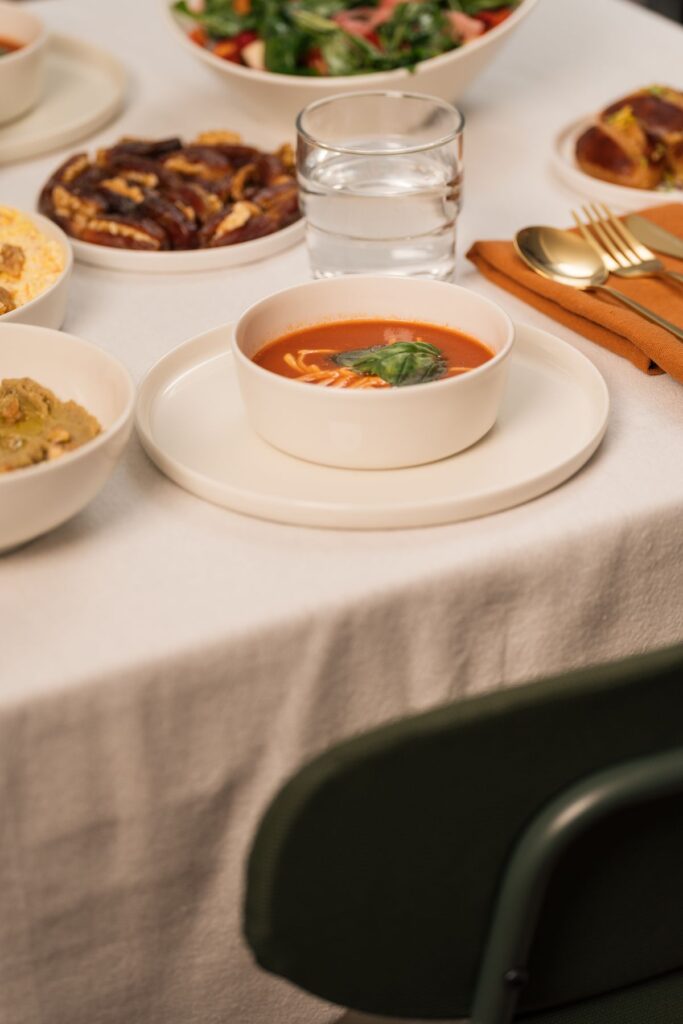
Sample 7-day MIND diet for vegetarians meal plan. Portions depend on your age, size and activity level, so adjust amounts to your own needs.
| Day | Breakfast | Lunch | Dinner | Snack |
|---|---|---|---|---|
| Monday | Oatmeal with blueberries and walnuts | Lentil soup with a spinach side salad | Tofu and broccoli stir-fry over brown rice | Apple with almond butter |
| Tuesday | Whole-grain toast, avocado and 2 eggs | Chickpea, kale and quinoa bowl with lemon-olive oil dressing | Black bean chili with peppers and tomatoes | Plain yogurt with ground flaxseed |
| Wednesday | Smoothie: spinach, frozen berries, soy milk, chia | Leftover chili with a side of greens | Whole-wheat pasta with white beans, garlic, cherry tomatoes and arugula | Handful of pistachios |
| Thursday | Veggie omelet with mushrooms and Swiss chard | Hummus and roasted veggie wrap on whole-grain wrap | Tempeh, edamame and veggie barley bowl | Strawberries |
| Friday | Overnight oats with chia, raspberries and hemp seeds | Mediterranean lentil salad with cucumber and parsley | Baked falafel (oven, not fried) with tabbouleh and tahini | Carrot sticks and hummus |
| Saturday | Buckwheat pancakes topped with mixed berries | Spinach and white bean soup with whole-grain bread | Veggie curry with chickpeas, cauliflower and spinach over brown rice | Walnuts and a square of dark chocolate |
| Sunday | Tofu scramble with kale and peppers | Big Greek-style salad with chickpeas and a little feta | Stuffed peppers with quinoa, black beans and corn | Blackberries with yogurt |
This week gives you greens every day, berries 6 to 7 times, beans or lentils at nearly every lunch or dinner, and tofu, tempeh or eggs in place of poultry. Cheese appears only once.
Smart shopping tips. Buy canned beans with no added salt, and rinse them to cut sodium further. Frozen spinach and kale are cheap and easy to stir into soups. Choose plain yogurt or fortified soy milk instead of sweetened versions. Our Mediterranean diet grocery list works almost perfectly for the MIND diet too. Just skip the fish and add extra beans, tofu and berries.
Key nutrients vegetarians need to watch
A well-planned MIND diet for vegetarians covers most nutrients easily. Two need extra attention because they are found mainly in fish and other animal foods: omega-3 fats and vitamin B12.
Omega-3 fats (the “fish swap”). Fish provides the omega-3s EPA and DHA. Plant foods provide a different omega-3 called ALA, found in flaxseed, chia seeds, walnuts, canola and soybean oil. According to the NIH Office of Dietary Supplements omega-3 fact sheet, the body turns only very small amounts of ALA into EPA and DHA. The recommended ALA intake is 1.6 grams a day for men and 1.1 grams for women. A tablespoon of ground flaxseed or a small handful of walnuts goes a long way toward that. The same fact sheet notes that algal oil, made from algae, is a vegetarian source of EPA and DHA. It also says research on omega-3s and brain health is mixed, and more study is needed. If you are thinking about any supplement, talk to your doctor or a registered dietitian first.
Vitamin B12. Vitamin B12 is found naturally only in animal foods. MedlinePlus explains that plant foods do not contain it unless they are fortified. Deficiency is more common in vegetarians and vegans, and people over 50 are also at higher risk. The recommended amount for most adults is 2.4 micrograms a day. Lacto-ovo vegetarians get some from eggs, milk and yogurt. Fortified cereals, fortified plant milks and fortified nutritional yeast help too. Ask your healthcare provider whether a B12 test or supplement makes sense for you.
Other nutrients to keep an eye on. Protein: Spread beans, lentils, tofu, tempeh, eggs and dairy across your meals. Iron: Pair beans and greens with vitamin C foods like peppers, tomatoes or citrus to boost absorption. Zinc: Nuts, seeds, whole grains and legumes are good sources. Vitamin D and calcium: Fortified plant milks, yogurt and leafy greens help. Vitamin D needs vary, so check with your doctor.
Make it personal. No single plan fits everyone. Your age, health conditions, medicines and activity level all change what you need. If you have diabetes, for example, our guide to the Mediterranean diet and diabetes explains how to balance carbs within this style of eating. A registered dietitian can tailor the MIND diet to you.
Common mistakes to avoid on the MIND diet for vegetarians
Going meat-free does not automatically mean eating the MIND way. Watch out for these common slip-ups.
- Leaning on cheese for protein. Cheese pizza, mac and cheese and cheesy wraps add up fast. Rotate in beans, tofu, tempeh and eggs instead.
- Forgetting the “fish swap.” Removing fish without adding flaxseed, chia or walnuts leaves an omega-3 gap.
- Counting fried veggie foods as healthy. Veggie burgers, fries and fried falafel are still fried food. Bake or air-fry when you can.
- Eating refined grains. White bread and white pasta do not count toward the 3 daily whole-grain servings.
- Skipping berries in winter. Frozen berries are just as good and often cheaper.
- Too many sweets. Plant-based cookies and pastries still count toward the “limit” group.
- Ignoring B12. It is easy to miss, especially after age 50. Include fortified foods and talk to your doctor.
- Expecting quick results. The MIND diet is a long-term habit, not a 30-day fix. Combine it with regular exercise, good sleep and social activity. Exercise matters too. The 2026 study found stronger links in more active people. See our tips on pairing the Mediterranean diet and exercise.
Frequently asked questions
Can vegetarians follow the MIND diet?
Yes. Most MIND diet food groups are already plant-based: whole grains, leafy greens, other vegetables, nuts, beans, berries and olive oil. Vegetarians only need to replace poultry and fish with foods like tofu, tempeh, eggs and beans, and add plant omega-3s such as flaxseed, chia and walnuts.
What can I eat instead of fish on the MIND diet?
Eat a daily source of the plant omega-3 ALA, such as ground flaxseed, chia seeds, hemp seeds or walnuts. Algae-based foods or algal oil provide EPA and DHA, the omega-3s found in fish. Talk to a healthcare provider before starting any supplement.
Does the MIND diet really slow brain aging?
Large observational studies link the MIND diet to slower brain aging, including a 2026 MRI study that estimated about 2.5 years of delay per 3-point score increase. However, a 3-year clinical trial in 2023 did not find a significant difference versus a healthy control diet. The evidence is promising but not proven.
Is cheese allowed on the MIND diet?
The official MIND diet limits cheese to less than one serving a week. Vegetarians can still enjoy small amounts as a flavor accent. Rely on beans, tofu, eggs and yogurt for most of your protein instead.
How long does it take to see results on the MIND diet?
There is no set timeline. Brain changes happen slowly over years, so the MIND diet works best as a lifelong eating pattern. Many people notice everyday benefits like more fiber, steadier energy and better digestion within a few weeks, but these vary from person to person.
Conclusion: start your MIND diet for vegetarians this week
The MIND diet for vegetarians is simple: eat leafy greens daily, berries a few times a week, beans almost every day, nuts and whole grains often, and cook with olive oil. Swap poultry for tofu, tempeh or eggs, replace fish with daily plant omega-3s, and keep an eye on vitamin B12. The science on brain health is encouraging but still growing, so think of this as a delicious, heart-friendly way of eating with possible brain benefits, not a cure. Small, steady changes beat a perfect plan you cannot keep. Your next step: pick two meals from the 7-day plan above and cook them this week. Then explore our Mediterranean diet meal plan for more meatless ideas. Have a favorite MIND-friendly vegetarian recipe? Share it in the comments below.
Medical disclaimer. This article is for information only and is not medical advice. It does not replace advice from your doctor or a registered dietitian. Talk to a qualified health professional before making major changes to your diet or starting any supplement, especially if you are pregnant, older, taking medicines or have a health condition.
Sources
- Diet Review: MIND Diet — Harvard T.H. Chan School of Public Health, The Nutrition Source.
- MIND diet linked to slower brain aging (BMJ Group press release) — ScienceDaily, October 1, 2026; study by Chen et al., Framingham Heart Study Offspring cohort.
- Trial of the MIND Diet for Prevention of Cognitive Decline in Older Persons — Barnes et al., New England Journal of Medicine, 2023 (PubMed).
- Omega-3 Fatty Acids — Fact Sheet for Consumers — NIH Office of Dietary Supplements.
- Vitamin B12 — MedlinePlus, U.S. National Library of Medicine.
- Healthy eating may help keep the brain younger, study suggests — ABC7 New York, with expert comments from Ohio State University and Columbia University dietitians.