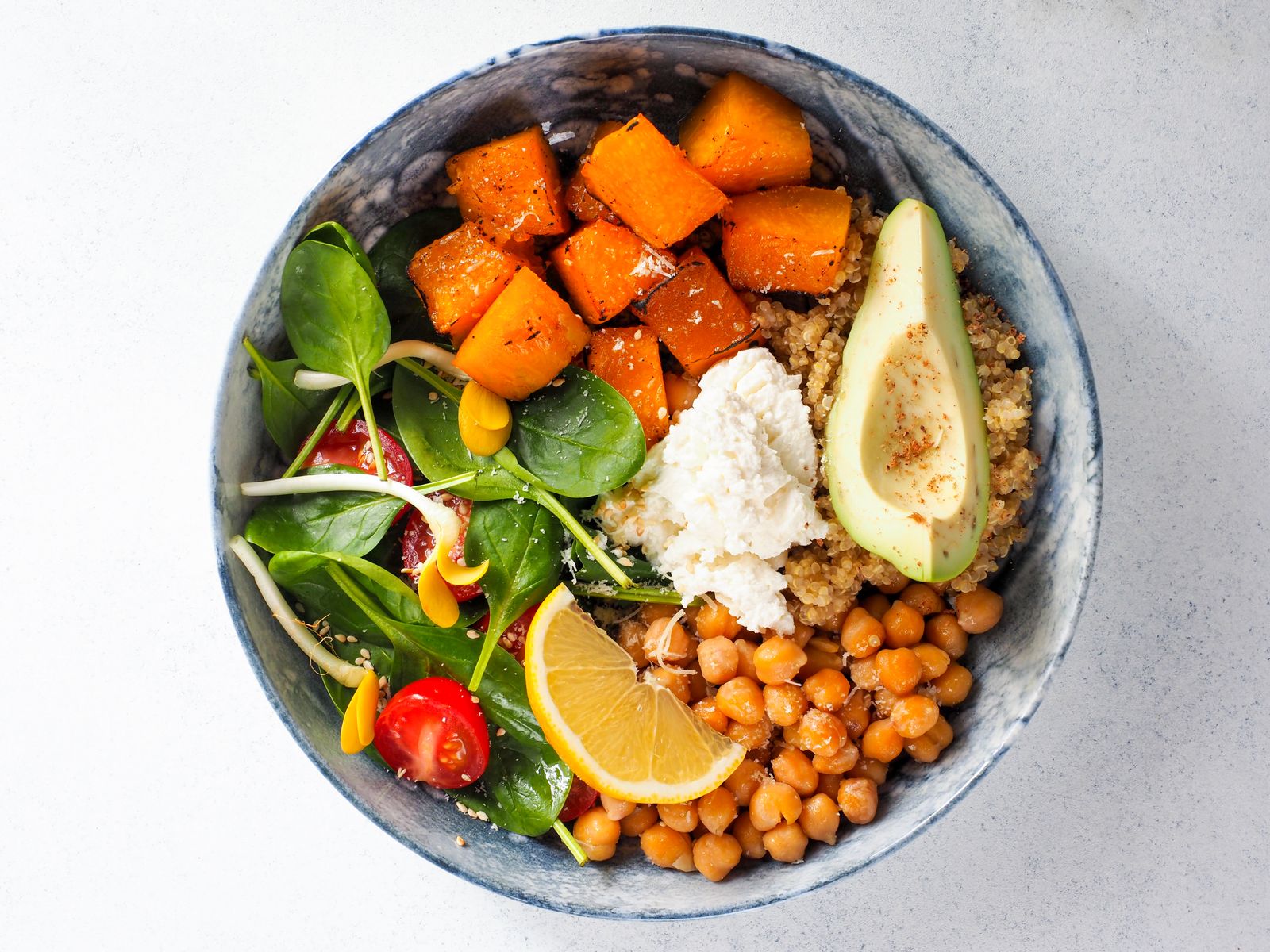
A vegetarian meal plan on GLP-1 medication has one big job: help you get enough protein and nutrients when your appetite suddenly shrinks. Drugs like Ozempic, Wegovy and Mounjaro can make a normal plate feel huge. That is great for weight loss, but it also makes it easy to under-eat protein, fiber and key vitamins.
This is a hot topic right now. Restaurants and grocers across the US and UK have launched “GLP-1 friendly” menus in 2026, from Chipotle’s high-protein menu to UK supermarket ready-meal ranges. Most of these lean on meat. If you eat vegetarian, you need a plan that works with lentils, tofu, eggs, dairy and beans instead.
That is what this guide gives you. You will learn how GLP-1 drugs change eating, how much protein to aim for, a 7-day meal plan table, tips for nausea and constipation, nutrients to watch, and the mistakes to avoid. If you are still deciding whether these drugs are right for you, read our guide Is Ozempic Safe for Weight Loss? first.

What GLP-1 medications change about eating
GLP-1 medications copy a gut hormone that tells your brain you are full. They also slow how fast food leaves your stomach. The result is less hunger, smaller meals and fewer cravings. Those same effects explain the common side effects. According to MedlinePlus, the NIH’s medicine guide, semaglutide (sold as Ozempic and Wegovy) often causes nausea, vomiting, diarrhea, constipation, stomach pain and heartburn. MedlinePlus also stresses following the diet plan your doctor or dietitian gives you.
Why eating less can backfire
When you eat much less food, you also eat less protein, fiber, iron, calcium and B vitamins. Over weeks and months, that gap matters. Part of the weight you lose can come from muscle, not just fat, if protein and exercise are too low. A 2025 joint advisory from four leading obesity and nutrition groups put it simply: the medication is not enough on its own. Nutrition support is part of the treatment. A well-built vegetarian meal plan on GLP-1 therapy is one way to cover that support with plants, eggs and dairy.
How the plan in this guide is built
- Small meals, eaten every 3 to 4 hours
- A protein food at every meal and snack, eaten first
- Low-fat, gentle foods on days with nausea
- Fiber added slowly, with plenty of fluids
- Simple foods you can find in any US, UK, Canadian or Australian supermarket
Why a vegetarian diet works well on GLP-1
A vegetarian diet fits GLP-1 treatment better than many people expect. The joint nutrition advisory published in Obesity (2025) encourages minimally processed, nutrient-dense foods. It names beans, peas, lentils, whole grains, nuts, seeds, fruits, vegetables and plant oils such as olive oil. It also suggests limiting red and processed meat. That is close to a description of a good vegetarian plate. The press summary from The Obesity Society lists eight priorities, including personalized nutrient-dense diets, preventing nutrient gaps, and adequate protein with strength training.
Heart health is a bonus
Many people on GLP-1 drugs also want to protect their heart. A large Harvard T.H. Chan School of Public Health study followed about 203,000 adults for around 30 years. People with the highest ratio of plant to animal protein had about a 19% lower risk of cardiovascular disease than those with the lowest ratio. This was an observational study, so it shows a link, not proof of cause.
Where vegetarians need extra care
The challenge is volume. Beans and lentils are filling and high in fiber, which is good, but a small appetite may fill up before you reach your protein goal. That is why a vegetarian meal plan on GLP-1 leans on compact protein foods too: Greek yogurt, cottage cheese, eggs, tofu, tempeh and soy milk. For more ideas on building a plant-forward plate, see our Mediterranean Diet for Vegetarians guide.
Protein targets and the best vegetarian protein foods
Most adults on GLP-1 treatment are advised to eat more protein than the basic minimum. The joint advisory notes the standard adult RDA is 0.8 g of protein per kg of body weight. During active weight loss, higher targets of about 1.2 to 1.6 g/kg per day have been proposed. The advisory also offers a simpler option: roughly 80 to 120 g of protein a day in total. It warns that very low intake (below about 0.4 to 0.5 g/kg) raises the risk of muscle loss. Your doctor or dietitian can set the right number for your body, kidneys and health history.
A simple way to hit your number
Split your goal across 4 to 5 small eating times. For example, 100 g a day becomes about 20 to 25 g per meal or snack. That is far easier on a small appetite than trying to eat 40 g in one sitting.
Vegetarian protein foods ranked for a small appetite
Protein values below are approximate and vary by brand. Check your labels.

| Food (typical portion) | Protein (approx.) | Volume on the plate | Best for |
|---|---|---|---|
| Plain Greek yogurt, 200 g (about 3/4 cup) | 18–20 g | Small | Breakfast, snacks, nausea days |
| Cottage cheese, 1/2 cup (about 113 g) | 12–14 g | Small | Snacks, dips, toast topping |
| Firm tofu, 150 g | 18–22 g | Medium | Scrambles, stir-fries, bowls |
| Tempeh, 100 g | 18–20 g | Small | Bowls, sandwiches |
| Eggs, 2 large | about 12 g | Small | Breakfast, quick lunches |
| Edamame, shelled, 1 cup | about 17–18 g | Medium | Snacks, salads |
| Lentils, cooked, 1 cup | about 18 g | Large (high fiber) | Soups, curries |
| Soy milk, 250 ml (1 cup) | 7–8 g | Drink | Smoothies, oats |
| Seitan, 100 g | 20–25 g | Small | Stir-fries (not for gluten-free diets) |
| Peanut butter, 2 tbsp | about 7 g | Small but high in fat | Toast, oats, in small amounts |
The foods at the top of the table pack the most protein into the least space. Use them often in your vegetarian meal plan on GLP-1, and add beans and lentils in smaller portions for fiber. If you eat no dairy or eggs, our guides to Plant-Based Protein Maxxing and High-Protein Vegan Cottage Cheese show how to build the same targets from soy, seitan and legumes.
A 7-day vegetarian meal plan on GLP-1
This 7-day vegetarian meal plan on GLP-1 uses small portions and puts protein first. Each day lands at roughly 85 to 105 g of protein, depending on brands and portion sizes. Treat it as a template, not a prescription, and resize portions to your own appetite and targets.

| Day | Breakfast | Lunch | Snack | Dinner | Protein (approx.) |
|---|---|---|---|---|---|
| Mon | Greek yogurt with berries and 1 tbsp chia | Tofu scramble wrap with spinach | Cottage cheese with cucumber | Red lentil soup (small bowl) + 1 boiled egg | 90–100 g |
| Tue | 2-egg veggie omelet + 1/2 slice whole-grain toast | Edamame, quinoa and roasted veg bowl | Soy milk smoothie with frozen banana | Tempeh stir-fry with broccoli and brown rice (small) | 90–100 g |
| Wed | Overnight oats made with soy milk and Greek yogurt | Chickpea salad with feta (small) | 2 boiled eggs | Baked tofu, roasted sweet potato and green beans | 85–95 g |
| Thu | Cottage cheese on rye crispbread with tomato | Leftover tempeh stir-fry | Greek yogurt cup | Black bean and tofu chili (small bowl) | 90–100 g |
| Fri | Protein oats: oats cooked in soy milk + 1 tbsp peanut butter | Egg salad on whole-grain toast with leaves | Shelled edamame (1/2 cup) | Seitan or tofu fajita bowl with peppers | 95–105 g |
| Sat | Shakshuka with 2 eggs (small pan) | Lentil and spinach dal (small) + plain yogurt | Cottage cheese with pineapple | Tofu and vegetable miso soup with soba (small) | 85–95 g |
| Sun | Greek yogurt parfait with nuts | Mediterranean plate: hummus, falafel (baked), feta, salad | Soy milk latte | Veggie omelet or frittata slice + side salad | 85–95 g |
How to use this plan
- Eat the protein first. If you only manage half a plate, make it the protein half.
- Halve the carbs, not the protein. Rice, bread and pasta portions are deliberately small.
- Cook once, eat twice. Tuesday’s stir-fry becomes Thursday’s lunch; chili and dal freeze well.
- Swap freely. Any row in the protein table above can replace a similar food here. For shopping, our Mediterranean Diet Grocery List covers most of these staples, and our Meal Plan for Weight Loss explains portion basics.
Eating tips for nausea, fullness and constipation
Side effects are often worst in the first weeks and after a dose increase. The joint advisory offers practical food tips, and they translate well to vegetarian eating.
On nausea days
Eat a small breakfast, then small meals every 3 to 4 hours. Choose low-fat, plain foods: Greek yogurt, cottage cheese, plain tofu, eggs, toast, rice and soups. Hold back on very fatty or very high-fiber meals for the first few days of a new dose. Sip ginger or peppermint tea between meals. Stop eating as soon as you feel full. Large meals raise the risk of vomiting.
When appetite is very low
Liquid and soft foods are your friends. The advisory lists smoothies, protein drinks, soups and cottage cheese as helpful options. A soy milk and Greek yogurt smoothie can deliver 25 g of protein in one glass. Set phone reminders to eat if you no longer feel hunger cues.
For constipation
Drink fluids steadily through the day. Add fiber slowly: a few spoonfuls of lentils, a pear, or a couple of prunes, rather than a giant bean salad on day one. Move your body daily; even a short walk helps. Ask your doctor before using laxatives or fiber supplements.
For diarrhea
Avoid large or greasy meals, keep drinking fluids, and tell your doctor if it lasts or you cannot keep liquids down. Dehydration can harm the kidneys, so this matters. Alcohol is worth limiting too, since it can worsen nausea and reflux. These small changes make any vegetarian meal plan on GLP-1 much easier to stick with.
Nutrients vegetarians should watch
Eating less food means eating fewer vitamins and minerals. The joint advisory lists iron, calcium, magnesium, zinc and vitamins A, B1, B12, C, D, E and K as nutrients of concern during GLP-1 therapy. Vegetarians already need to plan a few of these with care, so the overlap is worth knowing.
Vitamin B12
B12 is found naturally only in animal foods. Vegetarians get it from eggs, milk, yogurt and cheese, plus fortified foods like some plant milks, cereals and nutritional yeast. If you eat little dairy and few eggs, ask your doctor about testing your B12 level.
Iron and zinc
Lentils, tofu, chickpeas, pumpkin seeds and fortified cereals all provide iron and zinc. Pair them with vitamin C foods such as peppers, tomatoes, citrus or berries to help absorption. Tea and coffee with meals can lower iron absorption, so have them between meals.
Calcium and vitamin D
Dairy, calcium-set tofu and fortified soy milk are strong calcium sources. Vitamin D is hard to get from food alone, especially in northern countries in winter. The advisory says doctors may consider vitamin D, calcium, B12 or a multivitamin based on your needs, so this is a conversation for your care team, not a guess.
Building nutrients into your vegetarian meal plan on GLP-1
Aim for color at most meals, use fortified soy milk, include a dairy or calcium-set tofu serving daily, and keep seeds and nuts in small portions. Ask for blood tests if you feel very tired, dizzy or weak.
Common mistakes to avoid
Even a good plan can go wrong in small ways. Here are the mistakes we see most often with vegetarians on GLP-1 drugs.
- Filling up on carbs. Toast, pasta and crackers are easy to eat when you feel queasy, but they crowd out protein. Pair every carb with a protein food.
- Relying only on beans for protein. Beans are healthy, but a full cup of chickpeas may be all you can manage. Mix in Greek yogurt, tofu, tempeh and eggs.
- Skipping meals because you are not hungry. Long gaps make it hard to reach your protein goal and can worsen nausea. Eat small, regular meals.
- Going all-in on fiber overnight. A sudden jump in fiber can bring gas and bloating. Increase slowly and drink more water.
- Forgetting strength training. The advisory is clear that protein alone is likely not enough to protect muscle. Add resistance exercise two or more times a week, as your doctor allows. Our Mediterranean Diet and Exercise guide has easy ways to start.
- Buying “GLP-1 support” supplements. Many products claim to boost results without good evidence. Spend that money on food, and only take supplements your doctor recommends.
- Treating the plan as one-size-fits-all. Your protein target, kidney health and other medicines matter. A registered dietitian can personalize your vegetarian meal plan on GLP-1 treatment.
Frequently asked questions
Can you follow a vegetarian meal plan on GLP-1 medication like Ozempic or Wegovy?
Yes. Nothing about GLP-1 drugs requires meat. The key is to plan protein carefully, using compact sources like Greek yogurt, cottage cheese, eggs, tofu and tempeh, and to watch B12, iron and calcium. Check your plan with your prescriber or a dietitian.
How much protein should a vegetarian eat on GLP-1?
A 2025 joint advisory suggests about 1.2 to 1.6 g of protein per kg of body weight during active weight loss, or roughly 80 to 120 g a day as a simple target. Your exact needs depend on your size, kidneys and activity, so ask your care team.
What vegetarian foods are easiest to eat with GLP-1 nausea?
Plain, low-fat and soft foods are usually easiest: Greek yogurt, cottage cheese, plain tofu, scrambled eggs, toast, rice, broth-based soups and smoothies. Small portions every 3 to 4 hours tend to work better than large meals.
Is a vegan diet safe on GLP-1 drugs?
A well-planned vegan diet can work, but it takes more care. Without dairy and eggs, you rely on soy foods, seitan, legumes and fortified plant milks for protein and B12. Many vegans need a B12 source, so talk to your doctor about it.
Do I need protein shakes on a vegetarian GLP-1 diet?
Not always. Food can meet most needs. A shake or smoothie can help on low-appetite days, and the advisory lists protein drinks as one option. Choose simple products with few added sugars, and do not rely on products that promise extra weight loss.
Conclusion
A vegetarian meal plan on GLP-1 is less about eating less and more about making every small bite count. Put protein first, eat small meals often, add fiber slowly, drink plenty of fluids and keep up strength training. Watch B12, iron, calcium and vitamin D, and lean on your doctor or dietitian to fine-tune the details.
Start this week: pick two days from the 7-day table, shop for the staples, and see how your body responds. Then build the rest of the week around what felt good. Want more plant-based ideas? Browse our Mediterranean Diet for Vegetarians guide next, and share this plan with a friend who is starting GLP-1 treatment.
Medical disclaimer
This article is for information only and is not medical advice. GLP-1 medications are prescription drugs. Always talk to your doctor, pharmacist or a registered dietitian before changing your diet, medication, or supplement use, especially if you have kidney disease, diabetes or another health condition.
Sources
- Mozaffarian D, et al. Nutritional priorities to support GLP-1 therapy for obesity: a joint advisory. Obesity, 2025 (via PubMed Central, NIH).
- The Obesity Society. Nutritional Priorities to Support GLP-1 Therapy for Obesity (press release), May 30, 2025.
- MedlinePlus (U.S. National Library of Medicine). Semaglutide injection.
- Harvard T.H. Chan School of Public Health. Higher ratio of plant protein to animal protein may improve heart health, December 2024.
- Food Ingredients First. GLP-1-friendly menus reshape food and dining in 2026, January 2026.