
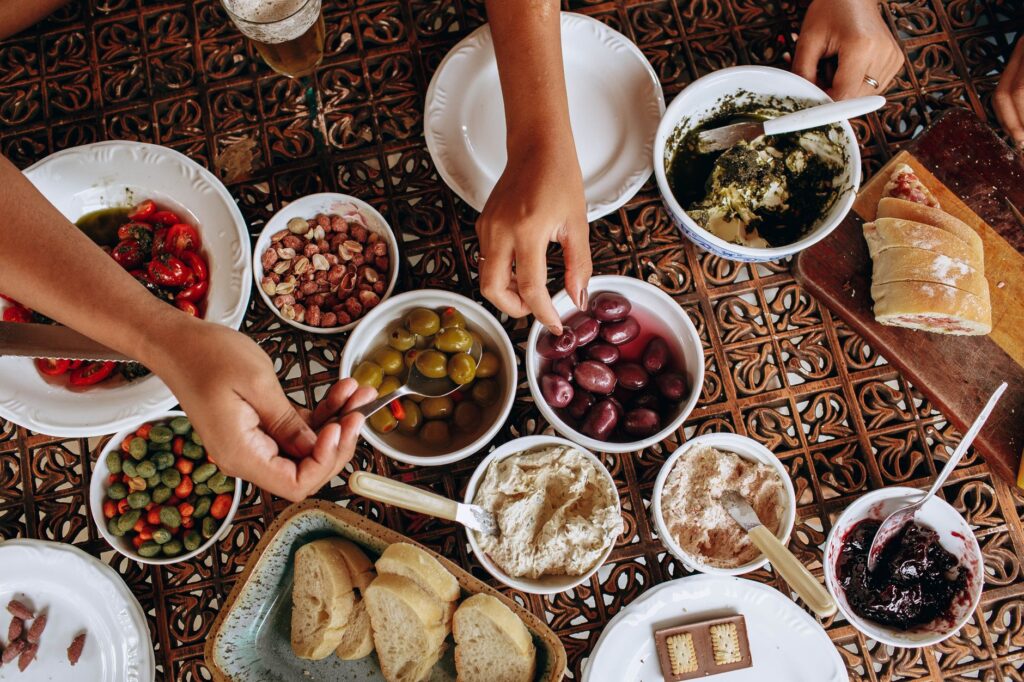
The Mediterranean diet is one of the healthiest ways to eat in the world. It comes from the traditional food of countries that border the Mediterranean Sea, like Greece, Italy, and Spain. This eating pattern is built on vegetables, fruits, whole grains, beans, nuts, and olive oil. The American Heart Association recommends a Mediterranean-style diet for a healthy heart. It is not a strict diet. It is a flexible and tasty lifestyle.
But some modern foods do not fit this pattern. Packaged and highly processed foods go against the old traditions of the region. If you know which foods to cut down, you can get the full benefit of this way of eating.
In this guide, you will see the main foods to avoid on the Mediterranean diet. For each food, we explain why it does not fit. We also give you a tasty and healthy food to eat instead. When following the Mediterranean diet, the goal is simple: eat whole foods most of the time. New to this diet? Start with our guide on what the Mediterranean diet is.
1. Processed Meats
Why It Does Not Fit
Processed meats include hot dogs, sausages, bacon, ham, salami, and beef jerky. These meats are cured, smoked, or salted. Makers also add chemicals like nitrites to keep them fresh for longer. Eating processed meat often raises the risk of cardiovascular disease, type 2 diabetes, and some cancers. These meats are also high in salt and saturated fat. Salt and saturated fat are known risk factors for heart disease. That is the opposite of this heart-healthy diet.
What to Eat Instead
Choose fresh protein instead. Eat fresh fish like salmon, sardines, and mackerel. They give you healthy omega-3 fats. Choose skinless chicken or turkey, cooked with herbs, garlic, and olive oil. For plant protein, eat lentils, chickpeas, and white beans with Mediterranean spices.
2. Refined Grains (White Bread, White Pasta)
Why It Does Not Fit
Refined grains are milled in a factory. The bran and germ are removed. Most of the fiber and vitamins go with them. Only the starchy part is left. White bread, white pasta, white rice, and pastries digest very fast. They push blood sugar up quickly. The traditional eating pattern uses whole grains. Whole grains give steady energy and keep you full for longer.
What to Eat Instead
Swap to whole grains. Choose 100% whole-wheat bread and whole-wheat pasta. Try brown rice, oats, quinoa, bulgur, farro, and barley. They have more fiber and a rich, nutty taste. They also support stable blood sugar.
3. Added Sugar and Sweet Drinks
Why It Does Not Fit
Added sugar is put into food during cooking or packing. Sodas, sweet teas, energy drinks, and packaged juices are full of it. So are cookies, cakes, pastries, and candy. These foods give calories but almost no nutrition. Too much sugar leads to weight gain, inflammation, fatty liver, and insulin problems. This diet gets its sweetness from whole fruit, not from added sugar.
What to Eat Instead
For something sweet, eat fresh fruit. Berries, figs, apples, oranges, and melon are all good choices. A few dates or a small square of dark chocolate (70% cocoa or more) is fine as a treat. For drinks, choose water with lemon, lime, mint, or cucumber. Unsweetened herbal tea and coffee are also fine.
4. Butter and Margarine
Why It Does Not Fit
Butter is high in saturated fat. Too much saturated fat can raise LDL cholesterol. LDL is the “bad” cholesterol. Stick margarine can contain trans fats from hydrogenated oils. Trans fats raise the risk of cardiovascular disease. In this diet, the main cooking fat is a liquid plant oil, not butter.
What to Eat Instead
Use extra virgin olive oil instead. It is the main fat of the Mediterranean diet. It is rich in healthy monounsaturated fats and antioxidants. Use it to cook vegetables, roast fish, and dress salads. You can also dip whole-grain bread in it. Mashed avocado on toast is another creamy, healthy choice.

5. Red Meat (Too Often)
Why It Does Not Fit
Red meat is not fully banned on this diet. But people eat it rarely — only a few times a month. Beef, pork, lamb, and veal are high in saturated fat. Big portions, eaten often, can raise cholesterol and harm long-term health. The traditional diet is mostly plant-based. It puts plants and seafood first. The Mayo Clinic describes this diet as a lifestyle built around plant foods, with red meat only now and then.
What to Eat Instead
When you eat red meat, keep the portion small — about 3 to 4 ounces. Choose lean cuts. Treat it as a side dish, not the main food. For daily protein, eat fish and seafood at least twice a week. Also eat poultry, eggs, beans, lentils, chickpeas, and split peas. For a full week of plant-protein ideas, see our vegetarian meal plan on GLP-1.
6. Fried and Fast Food
Why It Does Not Fit
Fast food includes fries, fried chicken, onion rings, burgers, and deep-fried fish. These foods are cooked in cheap oils at very high heat. This creates trans fats and damaged fats. They cause inflammation and harm blood vessels. Fast food is also high in salt, refined carbs, and additives.
What to Eat Instead
Make your favourite comfort food at home. Bake sweet potato wedges or zucchini fries with olive oil and a little sea salt. Grill chicken skewers or fish fillets. Serve them with a fresh cucumber and tomato salad and a lemon-herb dressing.
7. Packaged Snacks and Ready Meals
Why It Does Not Fit
This group includes chips, pretzels, crackers, frozen dinners, instant noodles, and many granola bars. These foods are made for a long shelf life, not for health. They are loaded with salt, preservatives, flavourings, refined starch, and hidden sugar. They have very little fiber and very few nutrients.
What to Eat Instead
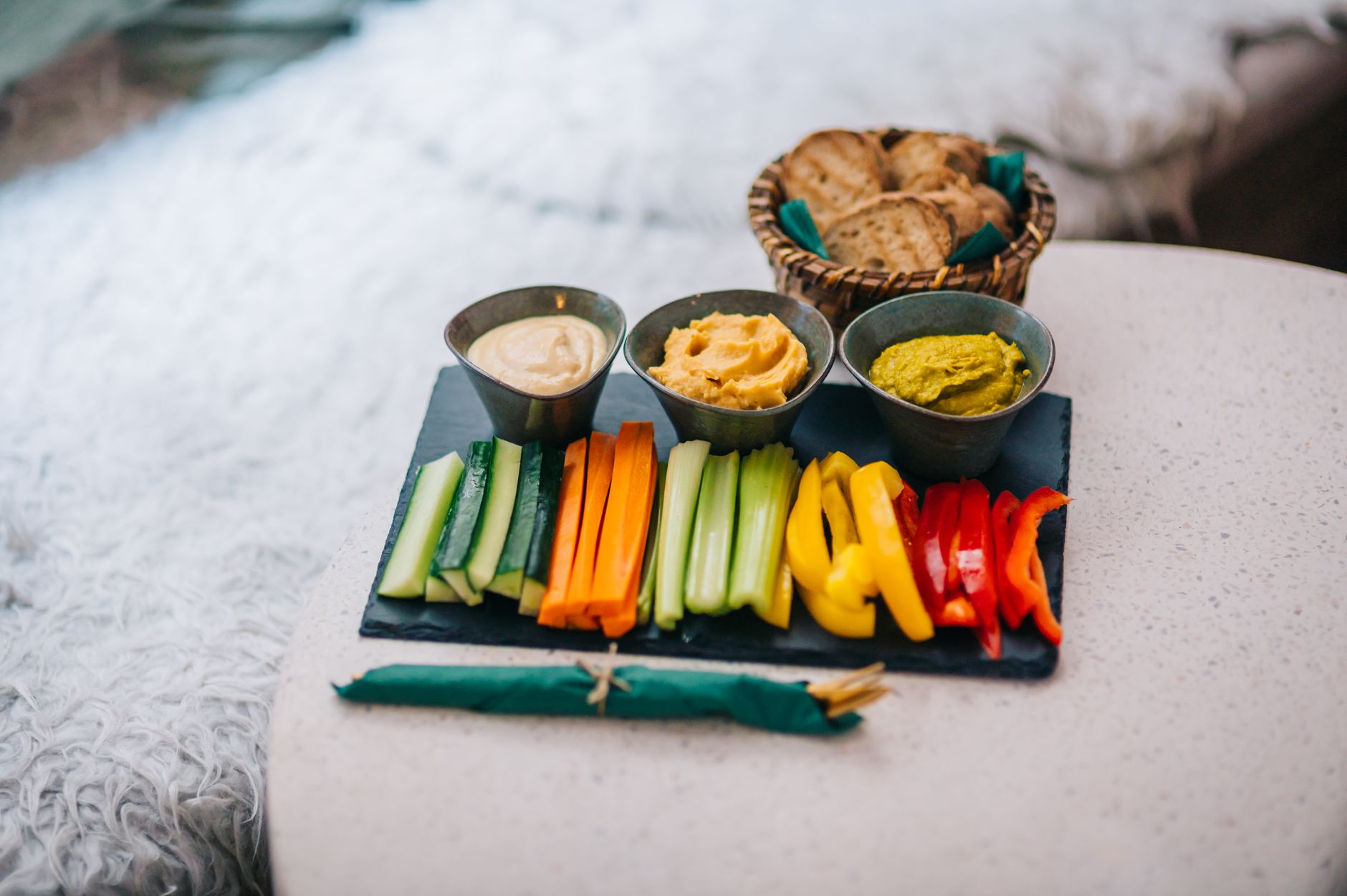
Keep simple snacks ready at home. Raw almonds, walnuts, pumpkin seeds, and sunflower seeds are good choices. Cut carrots, cucumbers, and peppers and dip them in hummus. Whole-grain crackers with a little goat cheese also make a filling snack. For a ready shopping list, use our Mediterranean diet grocery list.
8. Refined Oils
Why It Does Not Fit
Refined oils include soybean oil, corn oil, cottonseed oil, and most canola oil. They are made with high heat and chemicals. These oils are very high in omega-6 fats. We need a small amount of omega-6. But too much, with too little omega-3, can raise inflammation in the body.
What to Eat Instead
Cook with cold-pressed extra virgin olive oil. For high heat, unrefined avocado oil is a good second choice. It stays stable at high heat and has healthy fats. For a wider list of foods that fit this diet, see the Mediterranean diet food list at Health.com.
Quick Reference Summary Table
| Food to Avoid | Why It Doesn’t Fit | Eat Instead |
|---|---|---|
| Processed Meats (Hot dogs, deli meats, bacon) | High in sodium, preservatives, and saturated fats linked to chronic disease. | Fresh fish, seafood, skinless poultry, or legumes. |
| Refined Grains (White bread, white pasta, white rice) | Stripped of fiber and nutrients; causes rapid blood sugar spikes. | 100% whole-wheat bread, brown rice, quinoa, farro, oats. |
| Added Sugar & Sweet Drinks (Soda, candy, packaged juices) | Empty calories that contribute to weight gain, diabetes, and inflammation. | Fresh whole fruit, berries, dates, water with lemon, herbal tea. |
| Butter & Margarine | High in saturated fat (butter) or trans fats/hydrogenated oils (margarine). | Extra virgin olive oil (EVOO) or mashed avocado. |
| Red Meat (Too Often) | High in saturated fats; should be limited to rare occasions on this diet. | Fish, seafood, lentils, chickpeas, beans, and poultry. |
| Fried & Fast Food | Cooked in unhealthy oils at high heat; high in sodium and trans fats. | Baked vegetable wedges, grilled skewers, homemade whole-food meals. |
| Packaged Snacks & Ready Meals | Highly processed with sodium, chemical additives, and refined starches. | Raw nuts, seeds, fresh vegetables with hummus, or Greek yogurt. |
| Refined Oils (Soybean, corn, canola oil) | Chemically extracted and high in inflammatory omega-6 fatty acids. | Extra virgin olive oil or unrefined avocado oil. |
Frequently Asked Questions
1. Is the Mediterranean diet strict about eliminating these foods completely?
No. The Mediterranean diet is a flexible lifestyle, not a rigid set of rules. Focus on whole, nutrient-rich foods every day. Treat processed items, added sugars, and red meat as occasional treats, not daily foods. Some adults drink a small glass of red wine with a meal. Red wine is traditional, but it is optional — not a required part of the diet.
2. Can I use regular vegetable oil for cooking if I don’t have olive oil?
Extra virgin olive oil is the gold standard of this diet. Unrefined avocado oil is a good choice for high-heat cooking. Try to avoid highly refined soybean, corn, and canola oils when you can.
3. What is the best sweetener to use on a Mediterranean diet?
Use natural options in small amounts. Raw honey and pure maple syrup are traditional choices. Fresh fruit and dried dates also give natural sweetness. Avoid refined white sugar and artificial sweeteners.
4. How often can I eat red meat on this diet?
Eat red meat only a few times a month, not a few times a week. Keep portions moderate — about 3 to 4 ounces. Choose lean cuts.
This article is general information only and is not medical advice.