
Intermittent fasting has many variations, and “dirty fasting” has emerged as a popular compromise for people who find strict water-only fasting too difficult. Dirty fasting allows small amounts of calories (usually under 50 to 100 calories) during the fasting window.
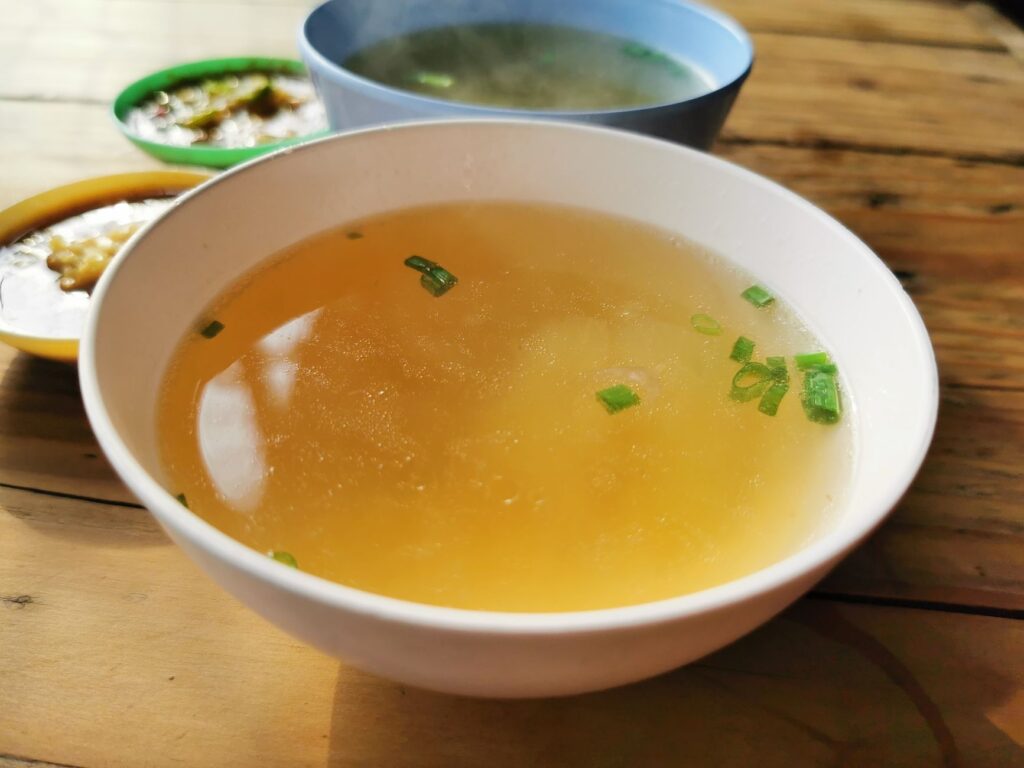
A common staple of dirty fasting is bone broth. But the big question remains: Does bone broth break a dirty fast?
The answer is yes, technically it does break a strict clean fast, but it can still support a dirty fasting routine depending on your health goals.
What Is a “Dirty Fast”?
A clean fast strictly permits water, black coffee, plain tea, and unflavored electrolytes. Absolutely zero calories are allowed during those fasting hours.
A dirty fast, on the other hand, permits minor calorie intake during the fasting hours—such as a splash of heavy cream in coffee, a spoonful of MCT oil, or a mug of bone broth. People choose dirty fasting because it helps them push through morning hunger, reduces irritability, and makes long-term fasting sustainable for their daily lifestyle.
Who Should Try Dirty Fasting?
Dirty fasting is ideal for beginners who experience severe morning hunger, lightheadedness, or stomach discomfort on a strict water fast. It acts as a helpful stepping stone while your body adapts to burning fat for energy.
Why Bone Broth Breaks a Clean Fast
Bone broth is made by simmering animal bones, marrow, and connective tissue for many hours. Because of this rich simmering process, bone broth contains:
- Calories: A typical cup of homemade or store-bought bone broth contains between 30 to 50 calories.
- Protein and Amino Acids: Bone broth is rich in protein, collagen, and amino acids like glycine, proline, and glutamine.
Because your digestive system must break down these proteins and process those calories, autophagy (cellular recycling and cleanup) is paused, and a minor insulin response is triggered. Therefore, bone broth breaks a strict clean fast.
Can You Still Use Bone Broth for Weight Loss Fasting?
If your primary goal with intermittent fasting is weight loss, fat burning, or calorie reduction, bone broth can still be a fantastic tool during your fasting window.
- Calorie Deficit: Consuming 40 calories of bone broth in the morning still keeps your total daily calorie intake very low, allowing you to maintain a net calorie deficit.
- Satiety: The protein and collagen in bone broth signal fullness hormones in your gut, making it much easier to skip breakfast without feeling starved.
- Electrolyte Replenishment: Bone broth is naturally packed with sodium, potassium, and magnesium, which prevent the dreaded “keto flu” or fasting fatigue.
Benefits of Bone Broth During Fasting
Even though it breaks a pure clean fast, bone broth offers incredible health perks:
- Supports Gut Health: The collagen and gelatin in bone broth soothe the digestive lining and support gut wall integrity.
- Joint and Skin Support: Amino acids help maintain healthy joints, skin elasticity, and connective tissues.
- Prevents Dizziness: The natural sodium in salted bone broth keeps your blood pressure stable during extended fasts.
- Provides Warm Comfort: Drinking a warm, savory mug of broth satisfies the sensory craving to consume something warm in the morning.
Practical Tips for Using Bone Broth While Fasting
- Choose High-Quality Broth: Look for organic beef or chicken bone broth with simple ingredients (bones, water, vegetables, sea salt). Avoid brands with added sugars or artificial starches.
- Keep Portions Small: Stick to 1 cup (8 ounces) during your fasting window to keep calories under 50.
- Sip Slowly: Sip your warm broth slowly over 15 to 20 minutes to maximize fullness signals.
Frequently Asked Questions
1. Will bone broth ruin my weight loss results on a dirty fast?
No. Consuming 30 to 50 calories of bone broth will not stop weight loss as long as you remain in an overall daily calorie deficit.
2. Is beef bone broth or chicken bone broth better for fasting?
Both are excellent choices. Beef bone broth is slightly richer in collagen type I and III, while chicken bone broth is rich in type II collagen for joint support. Choose whichever flavor you enjoy most.
3. Can I drink bone broth every day during my fasting window?
Yes, sipping one cup of bone broth daily during your fasting window is safe and can help you maintain consistent energy levels.
4. Does vegetable broth work the same as bone broth?
Vegetable broth provides sodium and hydration, but it lacks the protein, collagen, and amino acids found in animal bone broth that promote fullness.
5. How many calories are in a cup of bone broth?
A typical cup contains between 30 and 50 calories, with protein and collagen. The exact number depends on the brand or recipe, so check the label if you use a packaged broth.
6. Can I add salt or spices to bone broth during a fast?
Yes. Plain salt, herbs, and spices add flavour without adding calories. Check spice blends before you use them, because some blends contain sugar or starch.
7. Will bone broth take me out of ketosis?
For most people, one small cup will not end ketosis. The protein amount is low. Keep your portion to one cup, and your body should stay in fat-burning mode.
8. When is the best time to drink bone broth during a fast?
Drink it when hunger feels hardest — for many people that is late morning or the middle of a long fast. Sip it slowly over 15 to 20 minutes to feel full for longer.
9. Can I make bone broth at home for fasting?
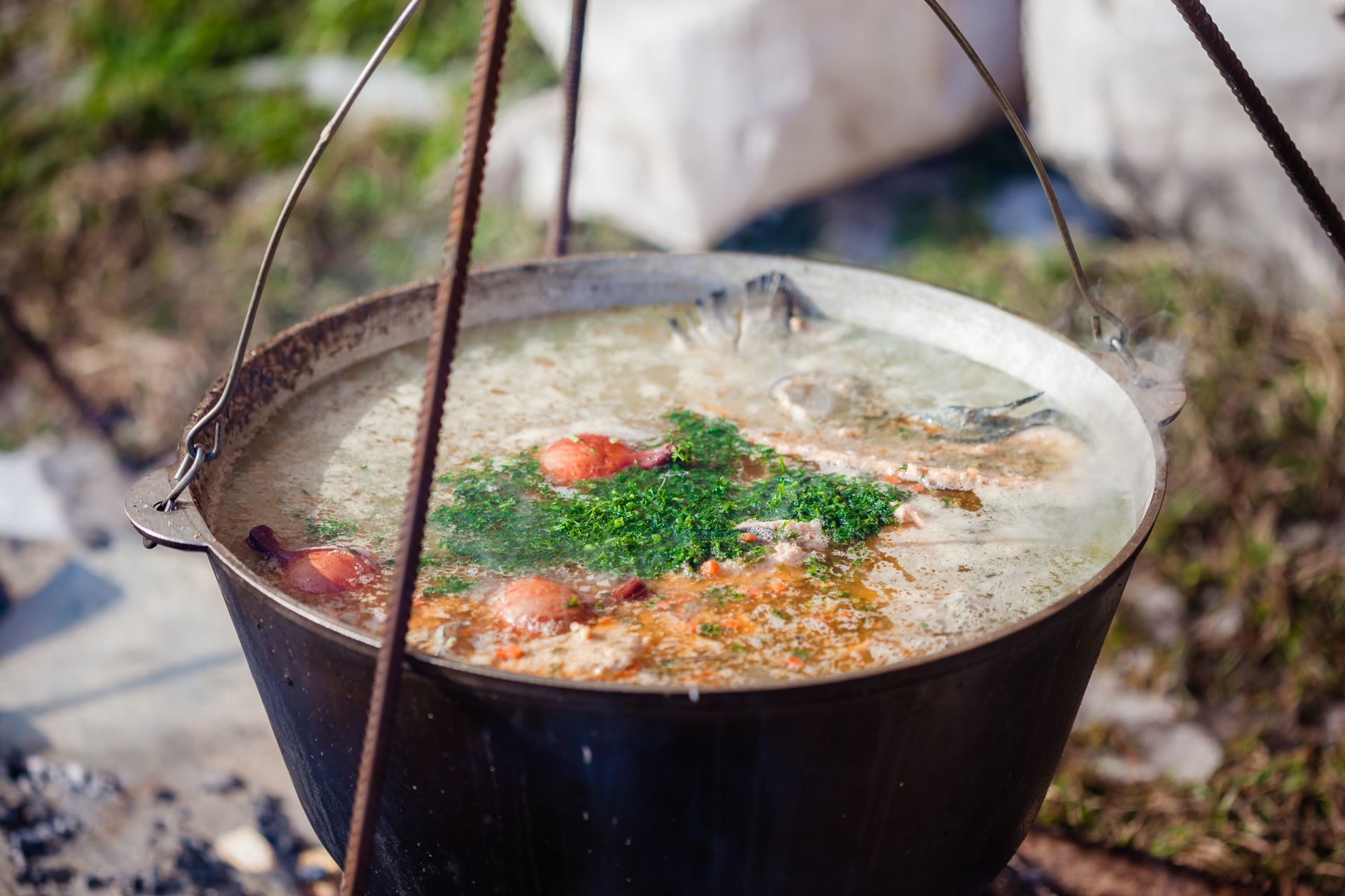
Yes. Simmer bones with water, vegetables, and sea salt, then strain the liquid. Homemade broth lets you control the salt and avoid added sugars or artificial starches.
This article is general information only and is not medical advice.
Read next: Can You Drink Lemon Water During an Intermittent Fasting Window?