
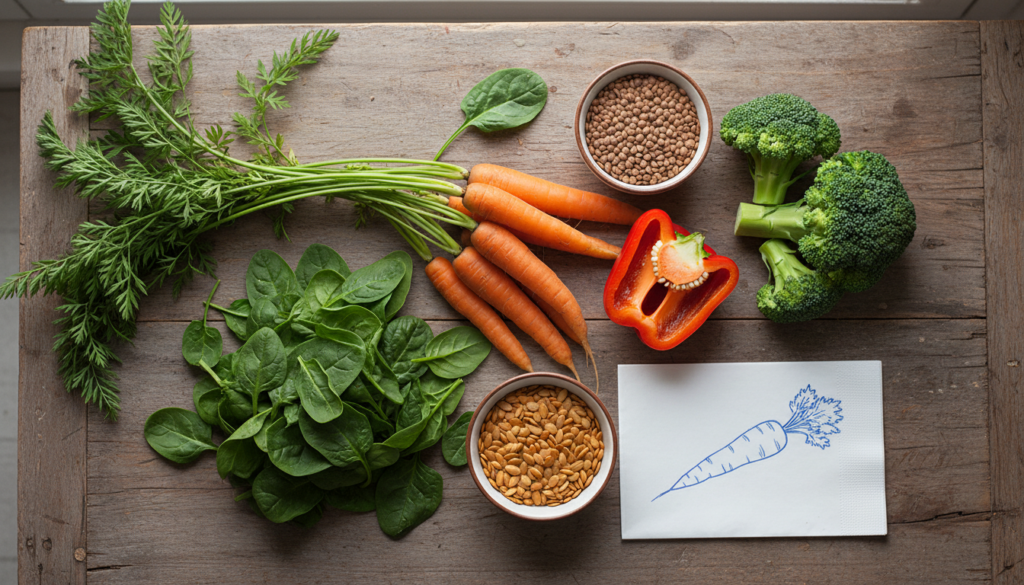
Are vegetables less nutritious now than when your grandparents were kids? A new UK report called Hollow Harvests says yes, at least for some crops and some minerals, and the claim has spread fast across news sites and social media this month.
The headline is scary: many crops may have lost roughly 20% to 50% of certain nutrients since the 1960s. That sounds like your salad is half empty.
The real picture is calmer, but it still matters. In this guide, we look at what the report found, what older studies say, why it happens, and seven simple plate fixes so you get more nutrients from every bite.
Table of contents
- What the Hollow Harvests report found
- Why crops can lose nutrients over time
- Should you worry? The honest context
- 7 smart plate fixes (with a nutrient-boost table)
- Common mistakes to avoid
- FAQ: are vegetables less nutritious now?
- Conclusion, disclaimer and sources
What the Hollow Harvests report found
The report comes from Deep Science Ventures, a UK science venture group, working with The Mark Leonard Trust. It took about eight months to put together, and it was covered by farm, food-industry and radio outlets in October and November 2026.
The main claims
- Yields went way up. Cereal yields per hectare have risen about 215% since the 1960s, according to the Hollow Harvests report.
- Nutrient density went down. The authors say breeding and farming for yield have left many crops with roughly 20% to 50% less of several nutrients, including potassium and zinc.
- Wheat and zinc. They cite a 2026 analysis finding that fewer than one in three bread-wheat varieties released since the 1960s meet recommended zinc targets.
- The calorie buffer. Global calorie supply rose around 38% since 1961, so people eating more food has partly hidden the drop. The report argues this buffer is shrinking.
- GLP-1 drugs add pressure. More than 100 million people in richer countries may use GLP-1 weight-loss drugs by 2030, eating roughly 16% to 39% less food. Less food plus less nutrient-dense food could mean more gaps.
In a UK scenario, the authors estimate that around 5 million working-age adults could slip below safe levels of key minerals, with selenium, potassium and iron most at risk. That is a model, not a measured result, as AgNavigator’s coverage makes clear.
Older evidence: the 43-crop USDA study
This worry is not new. A well-known 2004 study by Donald Davis and colleagues compared USDA nutrient data for 43 garden crops from 1950 and 1999.
As a group, six nutrients showed reliable declines: protein, calcium, phosphorus, iron, riboflavin (vitamin B2) and vitamin C. Median drops ranged from about 6% for protein to about 38% for riboflavin (study record).
Two details are often left out on social media. First, most single food-and-nutrient comparisons were not clearly different from no change. Second, about a quarter of the clear changes were increases, not decreases.
Why crops can lose nutrients over time
Scientists point to four main drivers. None of them means vegetables have become “empty”; they mean some minerals per gram may be lower than in the past.
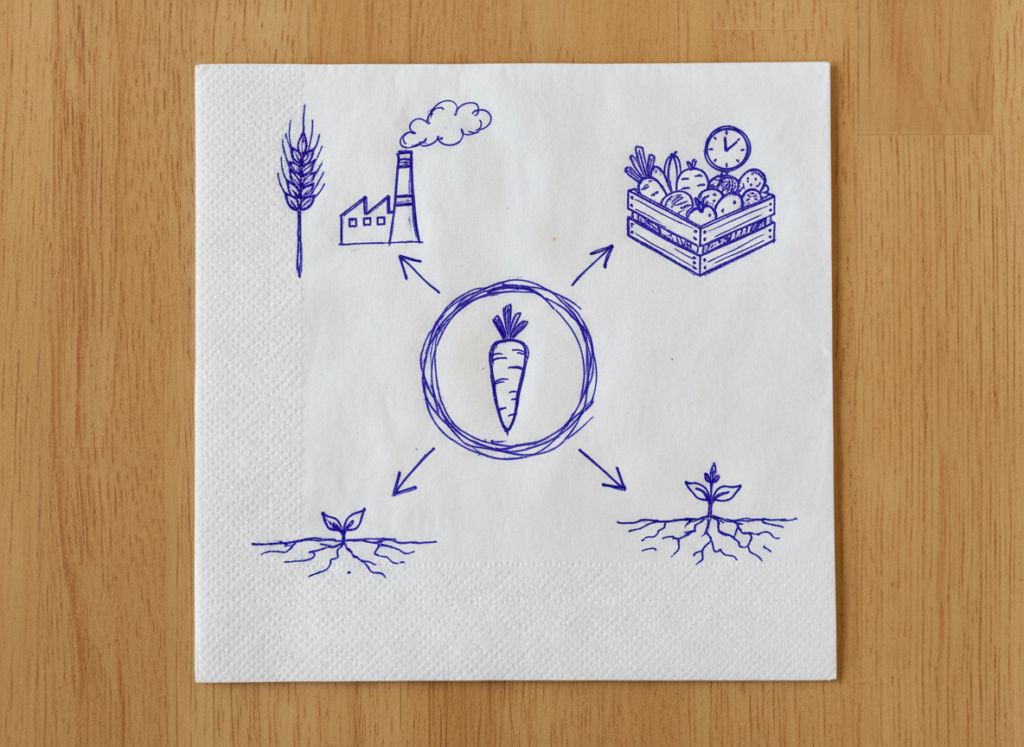
1. Breeding for size and yield (the dilution effect)
Modern varieties are bred to grow bigger and faster. A plant can make more starch, sugar and water quickly, but it cannot always pull up minerals from the soil at the same pace.
The result is often called a dilution effect: the same minerals spread across more mass. The Davis team said changes in crop varieties were the simplest explanation for the declines they saw.
2. Rising carbon dioxide
Higher CO2 helps many plants grow, but it can lower their mineral and protein content. A Harvard-led study in Nature grew 41 crop varieties at CO2 levels expected around 2050.
Wheat grown in high CO2 had about 9% less zinc, 5% less iron and 6% less protein than wheat grown in normal air (Harvard School of Public Health release). Legumes lost zinc and iron too. Corn and sorghum were less affected.
3. Tired soils
Soil erosion, low organic matter and heavy tilling can limit how well roots reach trace minerals. The Hollow Harvests authors argue that rebuilding soil could improve nutrients, yields and climate resilience together.
4. Measurement and storage
Lab methods in 1950 were different from today’s, which makes old-versus-new comparisons tricky. Produce also loses some vitamins, like vitamin C, the longer it sits after harvest. So part of the story is about how food is tested, shipped and stored, not only how it is grown.
| Driver | What changes | Nutrients most linked | How strong is the evidence? |
|---|---|---|---|
| Breeding for yield | Bigger, faster plants | Iron, zinc, calcium, B2, vitamin C | Moderate (data comparisons) |
| Rising CO2 | Plants make more carbs, fewer minerals | Zinc, iron, protein | Strong for grains and legumes (field trials) |
| Soil health | Fewer trace minerals reach roots | Zinc, selenium, magnesium | Mixed, varies by region |
| Storage and transport | Vitamins break down over time | Vitamin C, folate | Well known, easy to manage at home |
Should you worry? Are vegetables less nutritious now in a way that matters?
Short answer: the decline is real for some nutrients in some crops, but it is a much smaller problem than simply not eating vegetables at all.
The bigger gap is on our plates
According to the CDC, only about 1 in 10 US adults eats enough vegetables (9.3%) or fruit (12.2%). The target is roughly 2½ cups of vegetables a day for women and 3½ cups for men, with 1½ to 2 cups of fruit.
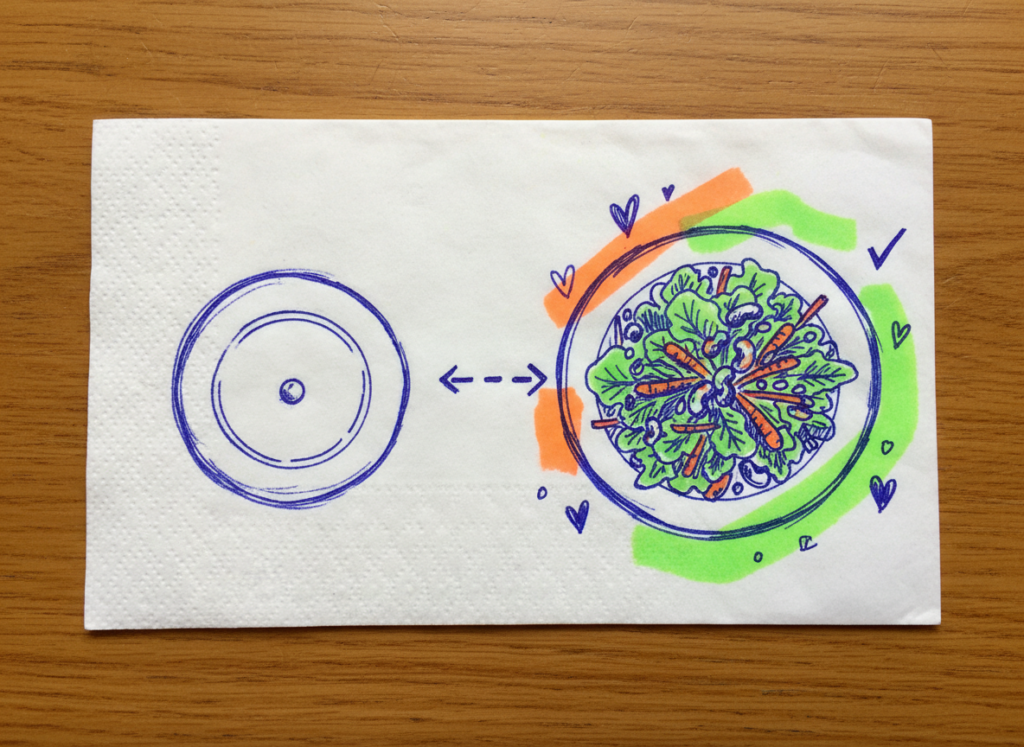
If a carrot has 20% less potassium than in 1960, eating one more serving easily makes up for it. Skipping vegetables loses 100%.
Even a “weaker” vegetable beats no vegetable
Vegetables still bring fiber, polyphenols, carotenoids, potassium, folate and vitamin C, with very few calories. Those benefits for heart health, gut health and weight control come from whole foods, not one mineral.
Who should pay closer attention
- People on GLP-1 drugs (Ozempic, Wegovy, Mounjaro). Smaller appetites mean every bite needs to count. Our vegetarian meal plan on GLP-1 shows how to pack nutrients into small meals.
- Vegans and vegetarians, who rely more on plants for iron and zinc.
- Older adults, who often eat less overall.
- Pregnant people and teens, who have higher needs for iron and other minerals.
If you are in one of these groups and worried about a deficiency, ask your doctor about a blood test before buying supplements.
7 smart plate fixes to get more nutrients per bite
You cannot change how a farm grows wheat. You can change what lands on your plate. These seven habits help close the gap, whatever the latest report says.
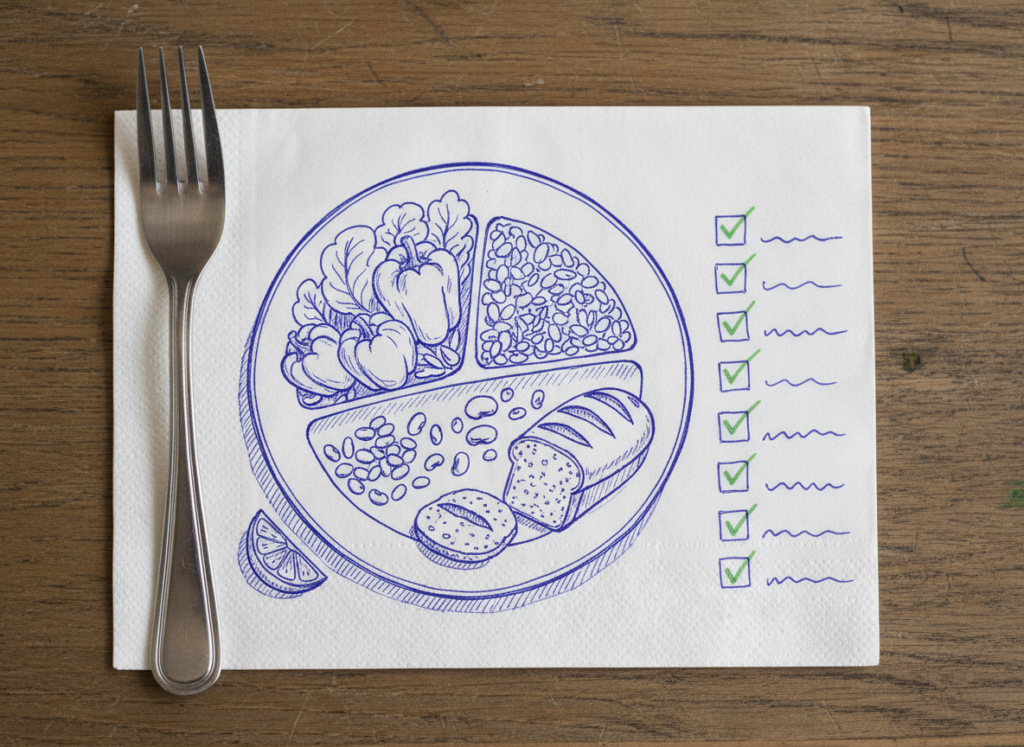
Fix 1: Eat one extra serving a day
The simplest answer to “less per carrot” is more carrots. Add one more cup of vegetables a day, such as a side salad at lunch or a handful of spinach in your pasta sauce. Harvard Health suggests tucking produce into foods you already like, which makes the habit stick.
Fix 2: Eat the rainbow, not the same three vegetables
Each color family carries different nutrients. Dark leafy greens bring folate and calcium, orange foods bring beta-carotene, and purple foods bring anthocyanins. Variety also spreads your risk if one crop is lower in a mineral.
Fix 3: Make beans, lentils, nuts and seeds a daily habit
These foods are mineral-dense. Lentils, chickpeas, pumpkin seeds and hemp seeds bring iron, zinc and magnesium together with protein. See our guide to plant-based protein maxxing for easy daily targets.
Fix 4: Pair plant iron with vitamin C
Iron from plants is harder to absorb than iron from meat. Eating it with vitamin C (bell pepper, citrus, tomato, strawberries) helps. Try lentil soup with lemon, or a bean chili with peppers and tomatoes.
Fix 5: Use frozen produce and store fresh produce well
Frozen vegetables are usually picked ripe and frozen fast, so they keep vitamins well. Buy fresh produce in smaller amounts, keep greens cold, and eat them within a few days. Cut vegetables close to eating time.
Fix 6: Cook to keep nutrients in
Steaming, microwaving and quick stir-frying lose fewer water-soluble vitamins than long boiling. If you boil, use the water in soups. Scrub rather than peel potatoes and carrots, since many nutrients sit near the skin.
Fix 7: Choose whole grains and build a nutrient-dense shopping list
Refining wheat strips away much of the bran and germ, where minerals live. Swap to oats, whole-wheat bread, brown rice, barley and quinoa. Our Mediterranean diet grocery list is a ready-made template, and budget-friendly Mediterranean diet meals shows how to do it without overspending.
Nutrient-boost table: are vegetables less nutritious now? Fill the gaps with these foods
All amounts are approximate and vary by variety, soil and preparation.
| Nutrient flagged in reports | Why it matters | Mineral-dense plant foods | Easy daily add (approximate) |
|---|---|---|---|
| Potassium | Blood pressure, muscles, nerves | White beans, potatoes with skin, lentils, bananas, spinach | 1 medium baked potato with skin (about 900 mg) |
| Iron | Oxygen transport, energy | Lentils, chickpeas, tofu, spinach, fortified cereal | ½ cup cooked lentils (about 3 mg) + lemon or peppers |
| Zinc | Immunity, wound healing, taste | Pumpkin seeds, hemp seeds, chickpeas, oats, cashews | 1 oz pumpkin seeds (about 2 mg) on oatmeal or salad |
| Selenium | Thyroid and antioxidant enzymes | Brazil nuts, whole grains, mushrooms, sunflower seeds | 1 Brazil nut (very variable, often 50 to 90 mcg); do not overdo it |
| Calcium | Bones, nerves | Fortified soy milk, calcium-set tofu, kale, bok choy | 1 cup fortified soy milk (about 300 mg) |
| Vitamin C | Immunity, iron absorption | Red bell pepper, kiwi, citrus, broccoli, strawberries | ½ cup raw red pepper (about 95 mg) |
A sample nutrient-dense day
- Breakfast: oatmeal with pumpkin seeds, berries and fortified soy milk.
- Lunch: lentil and roasted vegetable salad with lemon-olive oil dressing.
- Snack: an orange and a small handful of almonds.
- Dinner: chickpea and spinach curry with brown rice and a side of steamed broccoli.
Want more potassium-rich ideas? Our list of foods that lower blood pressure is a good next read.
Common mistakes to avoid
- Eating fewer vegetables because “they’re empty now.” This is the worst takeaway. Even lower-mineral produce brings fiber and plant compounds you cannot get elsewhere.
- Jumping straight to a pile of supplements. High doses of zinc, iron or selenium can cause harm. Test first, and use supplements only when a professional recommends them.
- Paying extra for “nutrient-dense” marketing. Labels like “superfood” or “ancient soil” are not regulated health claims. A bag of lentils often beats a pricey powder.
- Assuming organic always fixes it. Organic farming can improve soil, but studies on mineral differences are mixed. Eating more produce matters more than the label.
- Overcooking and wasting cooking water. Long boiling leaches vitamin C and folate. Steam, roast or reuse the liquid.
- Ignoring GLP-1 appetite changes. If you eat much less, plan meals around protein, beans, vegetables and whole grains first.
FAQ: are vegetables less nutritious now?
1. Are vegetables less nutritious now than 50 years ago?
For some crops and some nutrients, yes. A 2004 study of 43 US garden crops found median declines from about 6% (protein) to about 38% (riboflavin) between 1950 and 1999. Many individual foods showed no clear change, and some nutrients went up.
2. What is the Hollow Harvests report?
It is a 2026 UK report by Deep Science Ventures and The Mark Leonard Trust. It argues that breeding for yield, poor soils and rising CO2 have cut some nutrients in crops by roughly 20% to 50%, and that GLP-1 drugs could make gaps worse.
3. Do I need supplements because food has fewer nutrients?
Most people do not. Eating more servings and a wider variety of plants usually covers the gap. Some groups, such as vegans (vitamin B12), pregnant people and people on GLP-1 drugs, may need targeted advice from a doctor or dietitian.
4. Are frozen vegetables as nutritious as fresh?
Often, yes. Frozen produce is usually picked ripe and frozen quickly, so it can hold vitamins as well as fresh produce that has spent days in transport and in your fridge.
5. Does organic or local produce have more nutrients?
The evidence is mixed. Local produce may lose fewer vitamins because it spends less time in storage. Soil health matters more than the label, and the biggest win is still eating more vegetables of any kind.
Conclusion: eat more plants, not fewer
So, are vegetables less nutritious now? Some are, a bit, for certain minerals. But the fix is simple and affordable: eat an extra serving, mix your colors, lean on beans, seeds and whole grains, and store and cook produce with care.
Start today with one swap: add a handful of greens to dinner, or pumpkin seeds to breakfast. Then explore our vegetarian meal plan on GLP-1 or Mediterranean diet grocery list for a full week of nutrient-dense meals. Share this guide with a friend who just saw the “half the nutrients” headline.
Medical disclaimer
This article is for information only and is not medical advice. Talk to your doctor or a registered dietitian before changing your diet, starting supplements, or if you take medicines such as GLP-1 drugs or have a health condition.
Sources
- Deep Science Ventures. Hollow Harvests report.
- Morrison O. Are crops really losing their nutrients, or do we simply need to eat more of them? AgNavigator, October 6, 2026.
- Davis DR, Epp MD, Riordan HD. Changes in USDA food composition data for 43 garden crops, 1950 to 1999. Journal of the American College of Nutrition, 2004.
- Harvard School of Public Health. Rising CO2 poses significant threat to human nutrition (Myers et al., Nature, 2014).
- CDC. Only 1 in 10 adults get enough fruits or vegetables.
- Harvard Health Publishing. Commonsense strategies to help you eat more fruits and vegetables.
- WBUR Here & Now. Are fruits and vegetables less nutritious than they used to be? November 9, 2026.