
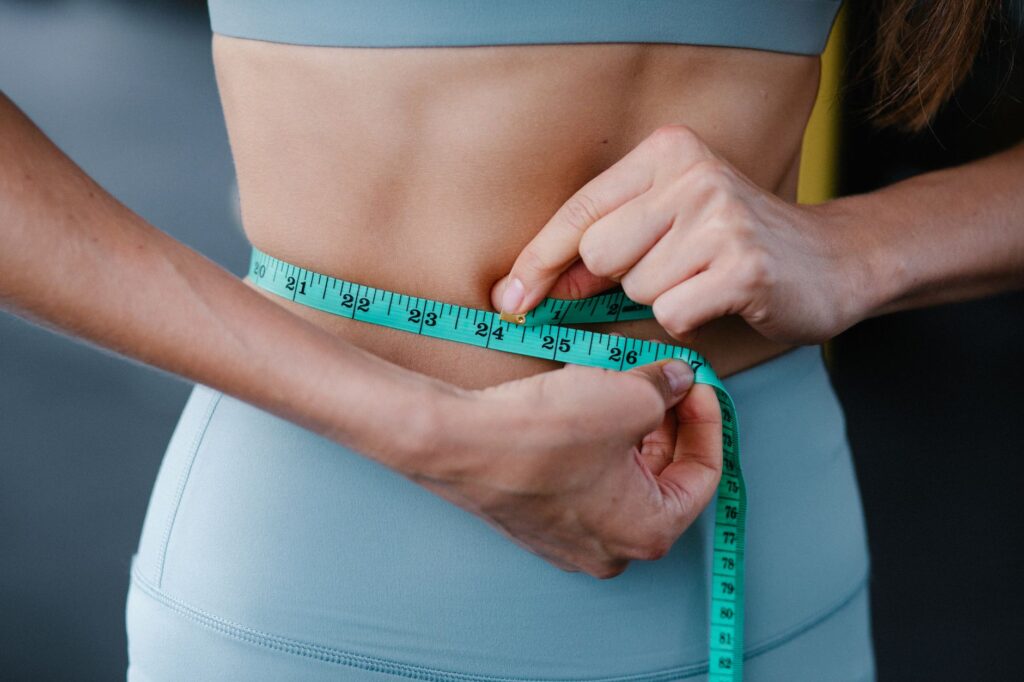
One of the most common worries people have when starting intermittent fasting is: “Am I burning stored body fat, or am I losing precious muscle mass?”
Everyone wants to lose fat, not muscle. Muscle is metabolically active tissue that keeps you strong, supports posture, and keeps your metabolism humming. Fortunately, the human body is brilliantly designed to protect muscle tissue during short-to-moderate fasts.
Here are the clear signs that your body is successfully burning fat for fuel while preserving your muscles.
How the Body Chooses Fuel During a Fast
When you eat, your body burns glucose (carbohydrates) for energy. Once your last meal is fully digested (usually after 12 to 18 hours of fasting), your glycogen stores run low.
At this point, your liver converts stored body fat into ketones to use as fuel. This metabolic shift is called ketosis. Because your body has massive reserves of stored fat, it prefers to use fat rather than breaking down muscle tissue, provided you give it the right signals.
Growth Hormone and Muscle Protection
During a fast, your body naturally increases human growth hormone (HGH) production. Growth hormone acts as a biological shield, signaling your body to preserve lean muscle tissue while accelerating fat breakdown for energy.
1. Stable Energy Levels and Mental Clarity
When your body successfully transitions into fat-burning mode, you will often notice a surge in mental clarity and steady focus.
Glucose supply from food can cause mental brain fog when it drops. Ketones, however, provide a smooth, sustained energy source for the brain. If you feel alert, focused, and energized during the final hours of your fast, your brain is successfully running on fat-derived ketones.
2. Reduced Hunger and Cravings
Ghrelin is the hormone that stimulates hunger. Many people fear that fasting will leave them starving all day.
However, as your body taps into its own fat stores for energy, ghrelin levels actually stabilize and drop. If you notice that your hunger comes in gentle waves rather than intense, shaky desperation, your body has successfully unlocked its internal fuel tank (stored fat).
3. Consistent Strength During Workouts
If you are preserving your muscle mass, your physical strength will remain relatively stable. While you might feel a slight dip in explosive power during heavy weightlifting at the very end of a long fast, your overall muscle tone and functional strength will not plummet. If your clothes are fitting looser around your waist while your limbs retain their shape, you are losing fat, not muscle.
Practical Examples of Fat Loss vs. Muscle Loss
Watching your body composition — how much of your weight is fat and how much is muscle — tells you far more than the scale alone.
- Fat Loss Signs: Your waistline shrinks, your belt fits tighter, your face looks leaner, and your energy stays steady.
- Muscle Loss Warnings: You feel constantly weak, your gym performance drops severely week after week, your skin looks loose, and you feel chronically exhausted.
How to Guarantee You Burn Fat, Not Muscle
If you want to protect your muscles while intermittent fasting, follow these simple guidelines:
- Eat Enough Protein: During your eating window, consume adequate protein (chicken, fish, eggs, beans, Greek yogurt) to give your body the amino acids it needs for muscle maintenance. Aim for roughly 0.8 to 1.0 grams of protein per pound of target body weight.
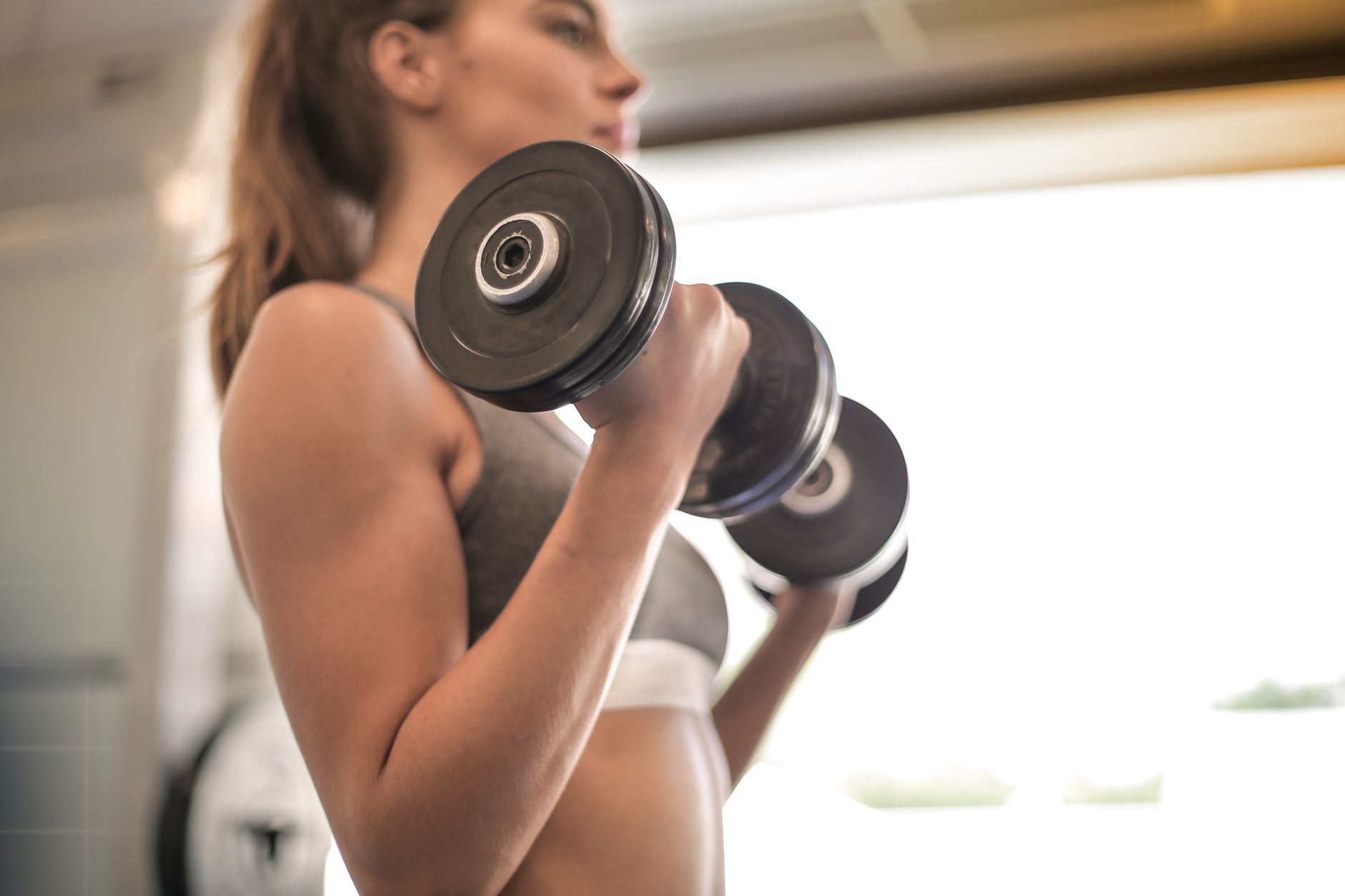
- Include Resistance Training: Lifting weights or doing bodyweight exercises (push-ups, squats, pull-ups) sends a biological signal to your body that your muscles are needed, preventing breakdown.
- Don’t Over-Fast: Stick to sustainable fasting windows like 16/8 or 18/6 rather than extreme multi-day fasts unless supervised by a healthcare professional.
- Get Adequate Sleep: Sleep deprivation spikes cortisol, which promotes muscle breakdown. Prioritize 7 to 8 hours of restful sleep every night.
Frequently Asked Questions
1. How long does it take for the body to start burning fat during a fast?
For most healthy adults, fat burning begins to increase significantly between 12 to 16 hours after your last meal, as glycogen stores deplete.
2. Can I build muscle while doing intermittent fasting?
Yes, you can build muscle while fasting if you consume enough total daily calories and protein during your eating window and lift weights consistently.
3. Why does my scale weight fluctuate so much when fasting?
Daily scale fluctuations are mostly due to changes in water weight and glycogen levels, not loss or gain of actual muscle or fat tissue.
4. Should I take BCAAs during my fast to protect my muscle?
BCAAs (branched-chain amino acids) contain calories and trigger an insulin response. Taking BCAAs during your fasting window breaks your fast. It is better to get your amino acids from whole protein meals during your eating window.
5. Does a single 24-hour fast cause muscle loss?
For healthy adults, one 24-hour fast is unlikely to cause real muscle loss. Your body protects muscle during short fasts. Eating enough protein in your eating window protects it further.
6. How can I measure fat loss without the scale?
Use a tape measure on your waist, note your belt holes, and take progress photos. Watch how your clothes fit. These signs show fat loss better than daily scale weight.
7. Is it normal to feel weak in the first week of fasting?
Yes. Your body is still learning to use fat for fuel, so energy can dip at first. It usually steadies after the first week. If you feel weak all the time, eat more protein, sleep well, and talk to a doctor if it continues.
8. Does black coffee help fat burning during a fast?
Black coffee does not break a fast, and it helps many people feel alert and less hungry. It is not required for fat loss, but it is a safe fasting drink.
9. Should I train while fasted or after eating?
Both can work. Many people do light training fasted and save heavy lifting for after a meal. Listen to your body, and keep your strength work regular — that is what protects your muscle.
This article is general information only and is not medical advice.
Read next: Can You Drink Lemon Water During an Intermittent Fasting Window?