
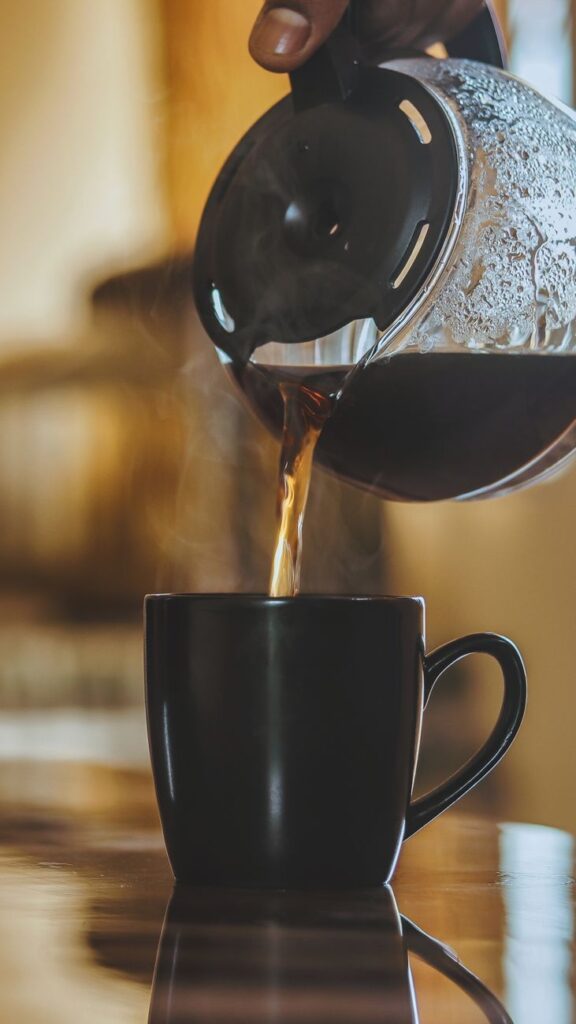
The golden rule of fasting is simple: No calories. But as intermittent fasting has evolved into a mainstream lifestyle, a grey area has emerged. People often ask: Is there a magic calorie threshold? How many calories can I consume during a fast without ruining my results?
Let’s look at the science behind calorie intake during fasting windows and what your body actually experiences.
The Strict Definition of a Fast
From a strict biological standpoint, zero calories is the only true definition of a fast.
When you consume any food or beverage containing calories, your digestive system springs into action. Enzymes break down the macronutrients, and your pancreas releases insulin to shuttle glucose into your cells. This biological process pauses fat oxidation and suspends cellular cleanup (autophagy).
The “50-Calorie Rule” Guide
Despite the strict definition, many fasting experts use a rough guide of under 50 calories during fasting hours.
Many people find that consuming fewer than 50 calories in a beverage (such as a splash of milk in coffee or a teaspoon of butter) has a minimal impact on overall weight loss progress.
Here is how different calorie amounts affect your fast:
- 0 to 10 Calories: Safe for everyone. A splash of lemon juice, black coffee, or plain tea. Will not break a fast or spike insulin.
- 10 to 50 Calories: The grey zone. A tablespoon of heavy cream or almond milk in your coffee. This may slightly pause autophagy, but it won’t ruin weight loss for most people.
- Over 50 Calories: Definitely breaks a fast. Your digestive system is fully activated, insulin is released, and your fasting window has officially ended.
Why Your Goal Matters
How many calories you can “get away with” depends entirely on why you are fasting. Keep a simple calorie count of every drink and snack in your fasting hours — even a small bite that feels like a mini meal can end the fast:
- Weight Loss and Calorie Control: If you are fasting to reduce your daily calorie intake, consuming 20 calories of cream in your morning coffee won’t stop you from losing weight, as long as you maintain a calorie deficit overall.
- Autophagy and Gut Rest: If you are fasting for cellular repair, immune reset, or severe digestive issues, even 5 calories can interrupt the process. Stick to absolute zero (water and plain tea).
- Blood Sugar and Insulin Sensitivity: If you are managing insulin resistance or diabetes, keep your fasting window strictly calorie-free to prevent blood sugar fluctuations.
Practical Examples of Low-Calorie Additions
- Black Coffee or Unsweetened Tea: 0 to 2 calories (Fasting safe).
- 1 Teaspoon of Fresh Lemon Juice: 3 calories (Fasting safe).
- 1 Tablespoon of Unsweetened Almond Milk: 5 calories (Minor impact).
- 1 Tablespoon of Heavy Whipping Cream: 50 calories (Upper limit for dirty fasting).
- 1 Teaspoon of Honey or Sugar: 16 to 20 calories (Spikes insulin, breaks fast).
Frequently Asked Questions
1. Does black coffee break a fast?
No, black coffee contains less than 2 calories per cup and does not trigger an insulin response. Plain black coffee is completely fasting-safe.
2. Can I drink zero-calorie diet soda during my fast?
While diet soda contains zero calories, artificial sweeteners like sucralose or aspartame can trigger sweet taste receptors, increase cravings, and potentially affect gut bacteria. It is best to avoid diet sodas while fasting.
3. Does bone broth break the 50-calorie rule?
A typical cup of bone broth contains 30 to 50 calories and protein. It breaks a strict clean fast, but fits within dirty fasting guidelines for weight loss.
4. What happens if I accidentally eat 100 calories during my fast?
Don’t worry or give up. Simply consider your fast ended for the day, open your eating window, and resume your normal fasting routine tomorrow.
5. Does chewing gum break a fast?
One piece of sugar-free gum has only a few calories, so it will not ruin weight loss. Strict fasters still avoid it, because sweet taste can increase hunger. Gum with sugar does break a fast.
6. Does a splash of milk in tea break a fast?
A small splash of milk has roughly 10 calories. That sits in the grey zone: fine for weight loss goals, but it ends a strict fast. If you fast for gut rest or autophagy, keep your tea plain.
7. Can I have broth during a strict fast?
No. A cup of bone broth has 30 to 50 calories plus protein, so it ends a strict fast. Broth only fits a dirty fast, where the goal is weight loss, not full digestive rest.
8. Do zero-calorie sweeteners break a fast?
They contain no calories, so they do not break a fast in the calorie sense. But sweet taste can raise cravings and make fasting harder. Many people feel better when they skip them.
9. What if I break my fast by mistake?
Do not quit. One mistake does not erase your progress. Treat your eating window as open for that day, eat normally, and start your normal fasting routine again tomorrow.
10. Is the 50-calorie guide the same for everyone?
No. It depends on your goal. Weight loss allows a grey zone. Autophagy, gut rest, and blood sugar control need a stricter fast, close to zero calories.
This article is general information only and is not medical advice.