
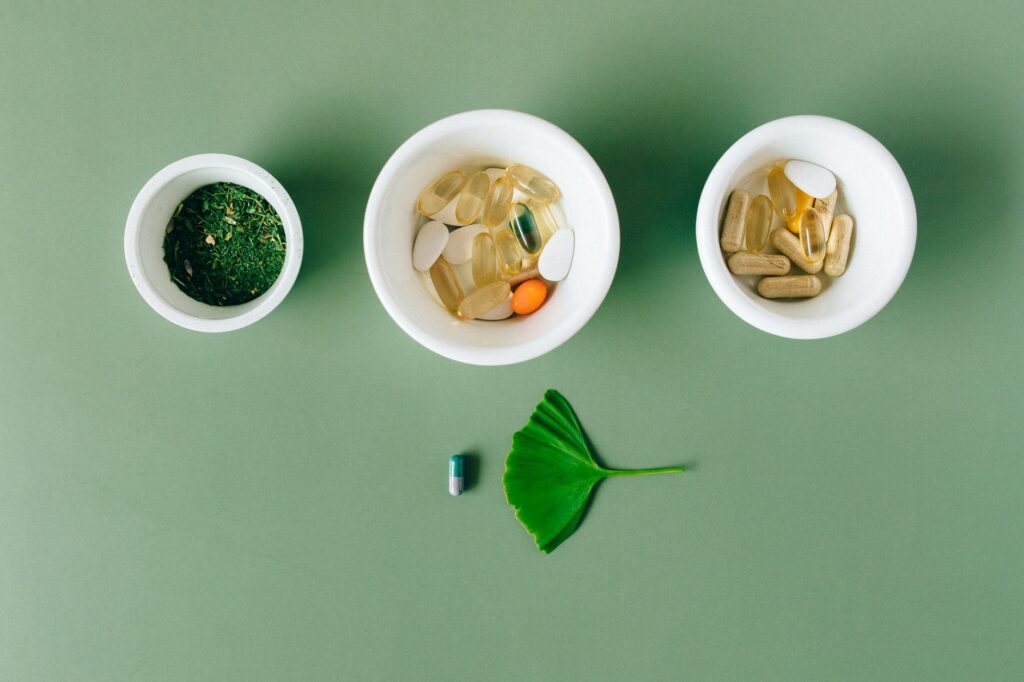
When practicing intermittent fasting, many people wonder how to structure their supplement routine. Specifically, you might ask: Can I take my daily multivitamin during my fasting window, or will it break my fast?
The answer depends on what kind of multivitamin you take and how sensitive your stomach is. Let’s break down the rules of taking vitamins while fasting. A multivitamin is simply a mix of vitamin and mineral nutrients in one pill, made to fill small gaps in your diet during fasting periods.
Fat-Soluble vs. Water-Soluble Vitamins
Vitamins behave differently inside the human body, and this dictates when you should take them for optimal absorption:
1. Water-Soluble Vitamins (Vitamin C and B-Complex)
- These vitamins dissolve in water. Any excess is simply flushed out through your urine.
- Can you take them fasting? Yes, you can take water-soluble vitamins during your fasting window with plain water. However, some B-vitamins or high-dose Vitamin C can cause mild nausea if taken on a completely empty stomach.
2. Fat-Soluble Vitamins (Vitamins A, D, E, and K)
- These vitamins require dietary fat to be properly absorbed and utilized by your digestive system.
- Can you take them fasting? No. If you take Vitamin D or fish oil on an empty stomach during a fast, your body cannot absorb them effectively, and they may cause stomach upset. Save these for your eating window alongside a meal containing healthy fats.
Do Multivitamins Break a Fast?
Most standard multivitamin capsules or tablets contain virtually zero calories and do not trigger an insulin response. Therefore, taking a basic dry multivitamin pill with water will not technically break your fast.
However, there is a major catch: Gummy vitamins.
- Gummy multivitamins are packed with added sugar, gelatin, fruit juice concentrates, and cornstarch.
- Taking gummy vitamins during your fasting window will immediately break your fast and spike your blood sugar.
Check Label Additives
Always read supplement labels carefully. Avoid vitamins that contain fillers like maltodextrin, cane sugar, artificial syrups, or hydrogenated oils if you plan to take them during your fasting hours.
Should You Take Vitamins on an Empty Stomach?
Even if a supplement doesn’t break your fast technically, taking concentrated vitamins on an empty stomach can lead to unpleasant side effects:
- Nausea and stomach cramps
- Acid reflux or queasiness
- Diarrhea and stomach spasms
For this reason, most nutritionists recommend shifting all your daily supplements—especially multivitamins and minerals—to your first eating window meal.
Practical Examples of Supplement Scheduling
Here is a clean, simple schedule for your daily supplements while fasting:
- During Fasting Window: Water, black coffee, plain tea, and plain unflavored electrolytes only.
- With First Meal (Eating Window): Multivitamin, Vitamin D3, Omega-3 fish oil, Vitamin E, and Zinc.
- With Evening Meal: Magnesium glycinate (to promote muscle relaxation and better sleep).

Frequently Asked Questions
1. Will taking Vitamin D3 with water alone during a fast work?
Vitamin D3 is fat-soluble. Without dietary fat from food, your body absorbs very little Vitamin D3. It is much better to take it with a meal containing healthy fats like olive oil, eggs, or avocado.
2. What should I do if my multivitamin makes me nauseous in the morning?
Simply switch your multivitamin timing. Take it with lunch or dinner during your eating window instead of taking it on an empty stomach in the morning.
3. Do liquid multivitamins break a fast?
Most liquid multivitamins contain added fruit juices, sweeteners, or flavorings to mask the bitter vitamin taste. These calories will break your fast, so consume liquid vitamins during your eating window.
4. Are individual mineral supplements like zinc safe while fasting?
Taking zinc or iron supplements on an empty stomach frequently causes strong nausea and stomach upset. Always take zinc and iron with a meal.
5. Can I take vitamin C on an empty stomach while fasting?
Yes. Vitamin C is water-soluble, so you can take it with plain water. Very high doses can cause mild nausea in some people. If that happens to you, take it with your first meal instead.
6. Does fish oil break a fast?
Fish oil contains calories from fat — around 10 calories in a typical capsule. It also needs food fat for good absorption. Take fish oil with a meal in your eating window, not during your fast.
7. Can I take probiotics while fasting?
Most probiotic capsules contain almost no calories, so they do not break a fast. Some probiotics work better with food, so read the label and follow its directions.
8. Can I take vitamin B12 during my fasting window?
Yes. B12 is a water-soluble vitamin, so water is enough. If it ever upsets your stomach, simply move it to your first meal of the day.
9. Can I take my vitamins with coffee during a fast?
It is not the best idea. Coffee can reduce the absorption of some minerals, such as iron. It is better to take your supplements with your first meal and a glass of water.
10. Do electrolytes break a fast like vitamins can?
No. Plain, unflavoured electrolytes — sodium, potassium, and magnesium — contain no calories and do not trigger insulin. They are safe during your fasting window. Avoid flavoured mixes with sugar or maltodextrin.
This article is general information only and is not medical advice.
Read next: 10 Easy Balanced Diet Tips