
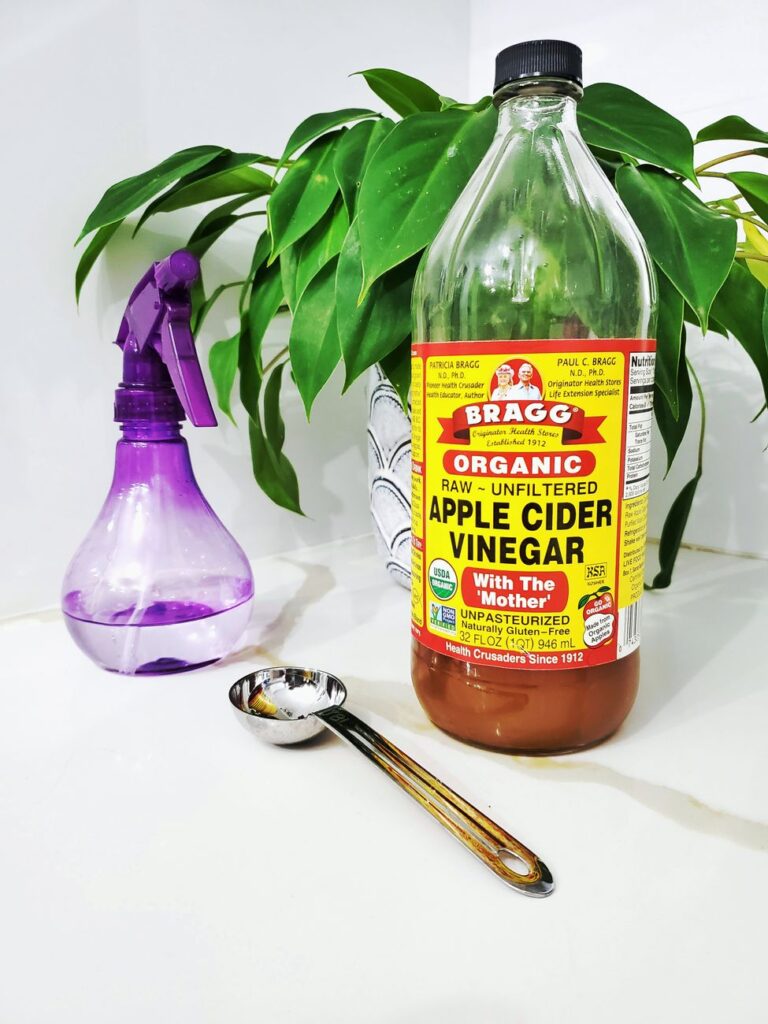
Apple cider vinegar (ACV) has taken the health and wellness world by storm. From boosting morning metabolism to aiding digestion, millions of people swear by its daily use.
If you practice intermittent fasting, you have likely wondered: Does apple cider vinegar spike insulin or break a fast?
The great news is that apple cider vinegar does not break a fast and can actually enhance your fasting results. The benefits of apple cider vinegar are well known, and many people use it to support weight loss and blood sugar control during their fasting window.
The Calorie and Carb Profile of Apple Cider Vinegar
To understand why ACV is fasting-friendly, let’s look at its nutritional breakdown:
- One tablespoon of apple cider vinegar contains roughly 3 calories and a negligible fraction of a gram of carbohydrates.
- Because the calorie count is virtually nonexistent, it does not trigger a significant digestive response.
Raw vs. Filtered Apple Cider Vinegar
Always look for raw, organic, unfiltered apple cider vinegar that contains “the mother.” The mother consists of beneficial strands of proteins, enzymes, and friendly bacteria that support gut health. Clear, distilled vinegars lack these beneficial compounds.
How Apple Cider Vinegar Helps During a Fast
Far from breaking a fast, ACV offers powerful benefits when consumed during fasting hours:
1. Stabilizes Blood Sugar and Insulin
Scientific studies show that apple cider vinegar improves insulin sensitivity and lowers blood sugar responses after meals. During a fast, ACV helps keep your blood glucose stable, preventing energy crashes and shaky cravings.
2. Suppresses Appetite
The acetic acid in apple cider vinegar slows gastric emptying, meaning food stays in your stomach longer once you break your fast. During fasting hours, it helps blunt hunger hormones and keeps you feeling full.
3. Supports Digestion
ACV stimulates natural stomach acid production, preparing your digestive system to process your upcoming meal efficiently without bloating.
How to Consume ACV During a Fast Safely
Drinking raw, undiluted apple cider vinegar is dangerous. The high acidity can burn your throat, damage your tooth enamel, and upset your stomach lining.
Always follow these rules:
- Dilute It Thoroughly: Mix one tablespoon of organic, unfiltered apple cider vinegar (with “the mother”) into a large glass of water (at least 8 to 12 ounces).
- Protect Your Teeth: Drink your diluted ACV through a straw to protect your tooth enamel, and rinse your mouth with plain water afterward.
- Start Small: If you have a sensitive stomach, start with just one teaspoon per day to see how your body reacts.
Practical Ways to Take ACV While Fasting
- Morning Warm Tonic: 8 ounces of warm water, 1 tablespoon of raw ACV, and a pinch of Ceylon cinnamon.
- Sparkling Refreshment: 12 ounces of plain sparkling water with 1 tablespoon of ACV over ice.
- Pre-Meal Digestive Shot: Sip a glass of diluted ACV 15 minutes before opening your eating window.

Frequently Asked Questions
1. Will ACV gummies break a fast?
Yes, apple cider vinegar gummies contain added sugar, tapioca syrup, and pectin calories that will immediately spike insulin and break your fast. Stick to liquid ACV diluted in water.
2. Can I take ACV pills or capsules while fasting?
Yes, dry ACV capsules contain minimal calories and will not break a fast. However, make sure to drink plenty of water so the capsule doesn’t irritate your esophagus.
3. Does ACV cause stomach ulcers or burning?
Undiluted ACV can irritate inflamed stomach tissue. If you have active gastritis or stomach ulcers, avoid ACV as it can worsen burning symptoms.
4. How many times a day can I drink apple cider vinegar while fasting?
It is best to limit yourself to 1 or 2 tablespoons of diluted ACV per day. Excessive intake can cause tooth enamel erosion or lower potassium levels over time.
5. Can I mix apple cider vinegar with lemon water during a fast?
Yes. Many fasters combine one teaspoon of each in a large glass of water. Dilute the mix well, drink it through a straw, and rinse your mouth with plain water after.
6. Does apple cider vinegar help with hunger during a fast?
For many people, yes. The acetic acid in ACV can blunt hunger and help you feel full for longer. It is a support tool, not a replacement for a good fasting routine.
7. When is the best time to take ACV while fasting?
Two good options are the morning, to start your day, and about 15 minutes before you break your fast, to support digestion. Choose the time that feels best on your stomach.
8. Can apple cider vinegar damage my stomach?
Undiluted ACV can irritate your throat and stomach lining. Always dilute it in a full glass of water. If you feel burning, stop using it and let your stomach rest.
9. Does apple cider vinegar interact with medicines?
It can. ACV may interact with some medicines, including insulin and diuretics (water pills), and large amounts can lower potassium. If you take regular medicine, ask your doctor before using ACV daily.
10. How long can I take apple cider vinegar every day?
Many people use one to two tablespoons of diluted ACV daily for long periods. Keep the dose low, protect your teeth, and take a break if your stomach or teeth become sensitive.
This article is general information only and is not medical advice.
Read next: 10 Easy Balanced Diet Tips