
When you fast for extended periods (such as 24, 36, or 48 hours), your body undergoes a massive hormonal shift. Insulin levels drop significantly, which signals your kidneys to flush out excess water and stored sodium.
While flushing water reduces bloating, it also washes away vital minerals known as electrolytes. Without proper electrolyte replenishment, you will experience the dreaded “keto flu”—fatigue, muscle cramps, brain fog, and dizziness.
Here are the best electrolytes you need to take during an extended water fast to keep your body running smoothly.
Why You Need Electrolytes During a Fast
Your body relies on electrolytes to conduct electrical impulses between your cells. These minerals are responsible for heartbeats, muscle contractions, nerve signaling, and hydration. During a fast, your body no longer gets these minerals from food. Because your kidneys are flushing fluids, you are at high risk of becoming depleted.
1. Sodium (Salt)
Sodium is the most crucial electrolyte to replenish during a fast. When insulin drops, your body rapidly excretes sodium.
- Why you need it: Without enough sodium, you will feel dizzy, weak, and exhausted. Sodium is essential for maintaining blood volume and preventing fainting spells.
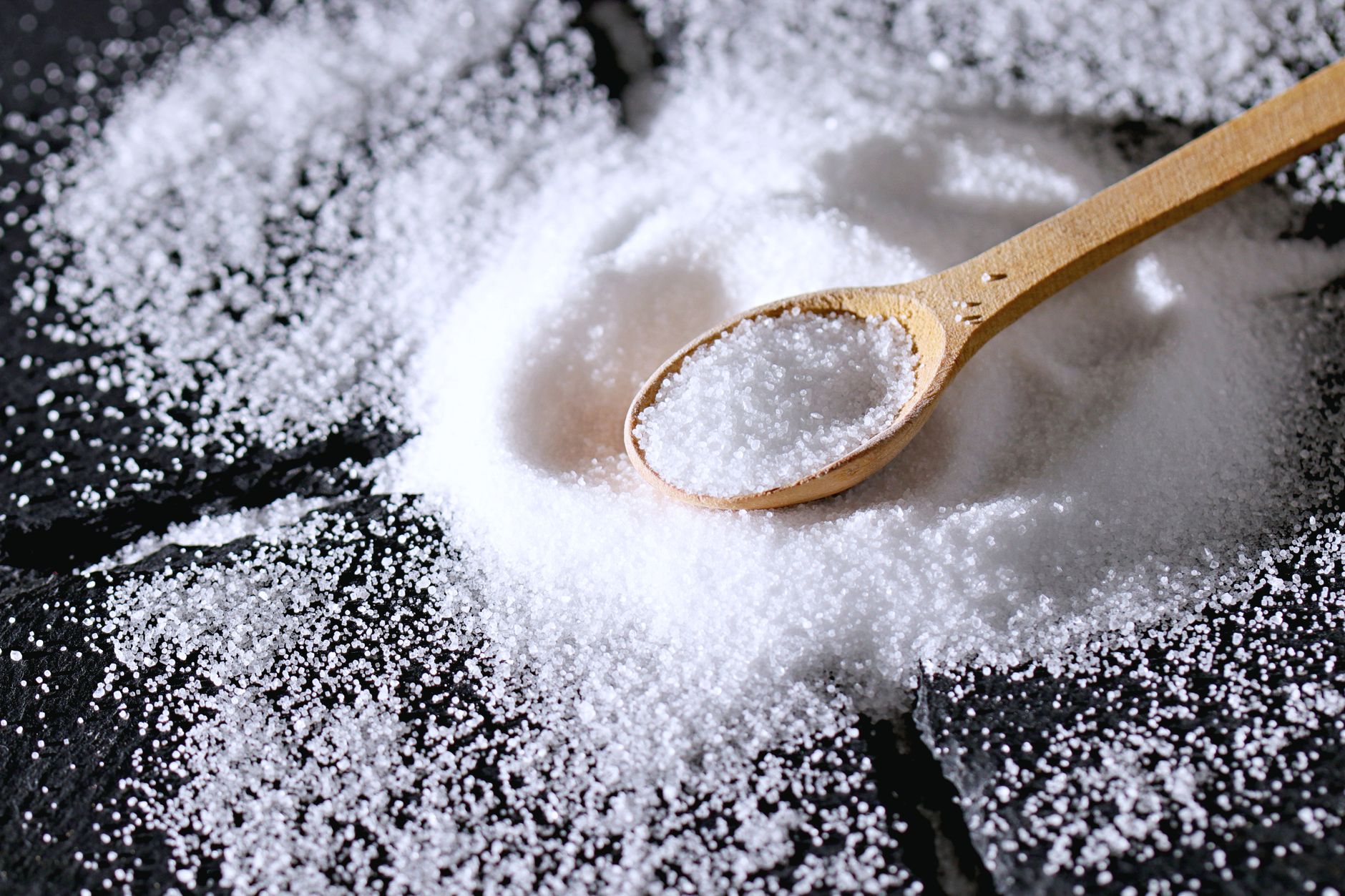
- How to take it: Stir a pinch of high-quality sea salt (like Himalayan pink salt or Celtic sea salt) into your water bottle, or sip on plain salted bone broth.
2. Potassium
Potassium works hand-in-hand with sodium to regulate fluid balance, nerve signals, and muscle contractions.
- Why you need it: Low potassium levels during fasting can cause heart palpitations, muscle weakness, and severe leg cramps at night.
- How to take it: Use potassium chloride (often sold as “NoSalt” or salt substitute) in small pinches, or take a clean potassium supplement powder dissolved in water.
3. Magnesium
Magnesium is responsible for over 300 enzyme reactions in the human body, including energy production, muscle relaxation, and sleep regulation.
- Why you need it: Magnesium deficiency during fasting leads to muscle twitches, eye twitching, irritability, and insomnia.
- How to take it: Take magnesium glycinate or magnesium malate in the evening. Avoid magnesium citrate during fasting unless you want a strong laxative effect!
What to Look For in a Fasting Electrolyte Supplement
If you buy a commercial electrolyte powder, check the ingredient label carefully:
- Must be zero sugar: No maltodextrin, cane sugar, or dextrose.
- No artificial colors or sweeteners: Avoid sucralose or artificial dyes if you want to keep your fast clean.
- Clean minerals: Look for sodium, potassium, and magnesium with natural flavoring (like natural lemon or mint).
Practical Electrolyte Recipes for Fasting
- The Basic Salt Water: 32 ounces of water, 1/4 teaspoon sea salt, and 1/4 teaspoon potassium salt.
- The Savory Morning Broth: 1 cup of warm bone broth (salt to taste).
- Magnesium Evening Calm: Dissolve 200mg of magnesium glycinate in water 1 hour before sleep.
Frequently Asked Questions
1. Do I need electrolytes for a 16/8 intermittent fast?
For short 16-hour fasts, electrolytes are usually not necessary as long as you drink enough plain water and eat balanced meals. They become vital for fasts lasting 24 hours or longer.
2. Can taking electrolytes break my fast?
Unflavored electrolytes (salt, potassium, magnesium) do not contain calories and will not break a fast. Always choose unflavored, sugar-free options.
3. What are the symptoms of low sodium while fasting?
Dizziness, headache, nausea, brain fog, and a general feeling of weakness are the most common signs you need more salt.
4. Can I take too many electrolytes?
Yes. Excessive salt intake can raise blood pressure, and too much potassium can be dangerous for people with kidney issues. Take small pinches throughout the day rather than one huge dose.
5. How much salt do I need on a 24-hour fast?
Needs differ by person, weather, and activity. A simple start is the basic recipe in this article: 1/4 teaspoon of sea salt in 32 ounces of water, sipped through the day. Add a little more if you still feel dizzy or weak.
6. Can I use plain table salt instead of sea salt?
Yes. Table salt gives you the same sodium, which is the part your body needs most during a fast. Sea salt and pink salt are fine too — choose what you have.
7. When is the best time to take magnesium during a fast?
In the evening, about one hour before sleep. Magnesium glycinate supports relaxation and sleep, and it is gentle on the stomach.
8. Do electrolytes help with fasting headaches?
Often, yes. Headaches during a fast are a common sign of low fluids and low sodium. A glass of salted water helps many people within a short time.
9. Can I drink coconut water for electrolytes during a fast?
Coconut water contains natural sugar and calories, so it breaks a water fast. It is a good drink for your eating window, but not for fasting hours.
10. Should people with kidney problems take electrolyte supplements?
Not on their own. Extra potassium can be dangerous when the kidneys are weak. If you have kidney problems or take blood pressure medicine, talk to your doctor before using electrolyte supplements.
This article is general information only and is not medical advice.