
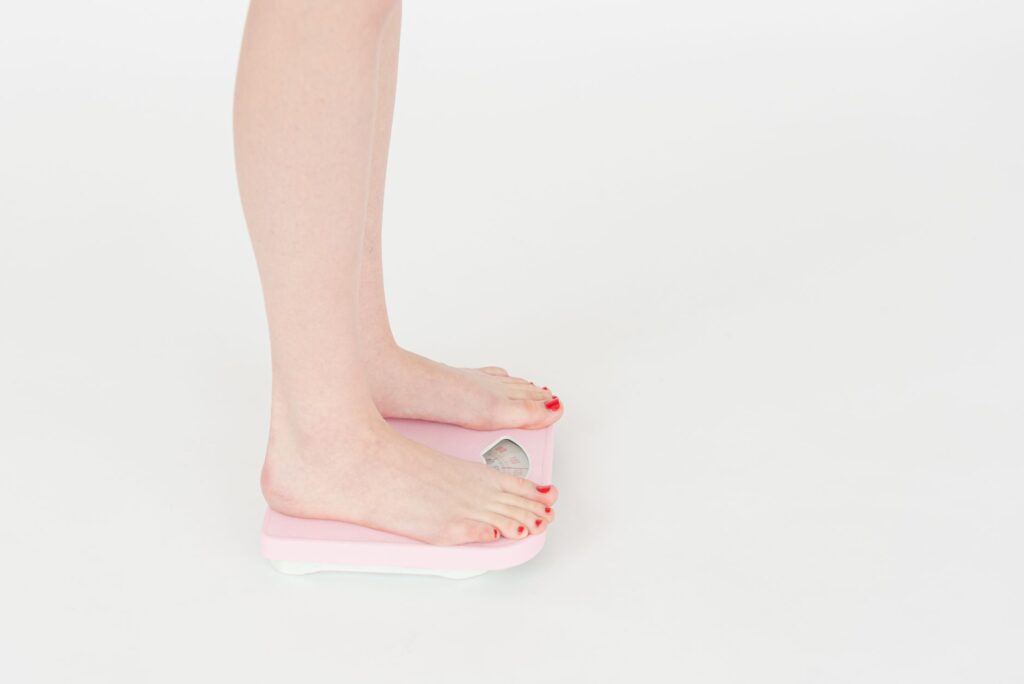
Intermittent fasting—specifically the popular 16/8 method (fasting for 16 hours, eating during an 8-hour window)—has helped millions of people shed unwanted pounds. So, it can be deeply frustrating and confusing when you step on the scale after weeks of fasting and realize you have actually gained weight.
How is weight gain possible when you are skipping breakfast and restricting your eating hours? Let’s look at the most common culprits behind this plateau.
1. Calorie Surplus (The “I Can Eat Anything” Trap)
The most common reason people gain weight while intermittent fasting is simple: eating too many calories during the 8-hour eating window.
Fasting is a tool for time management, not a magical calorie shield. If you consume 3,000 calories of calorie-dense foods (pizza, pasta, fried foods, sugary snacks) during your 8-hour window, you will still be in a caloric surplus and you will gain weight, regardless of how many hours you spent fasting.
The Role of Food Quality
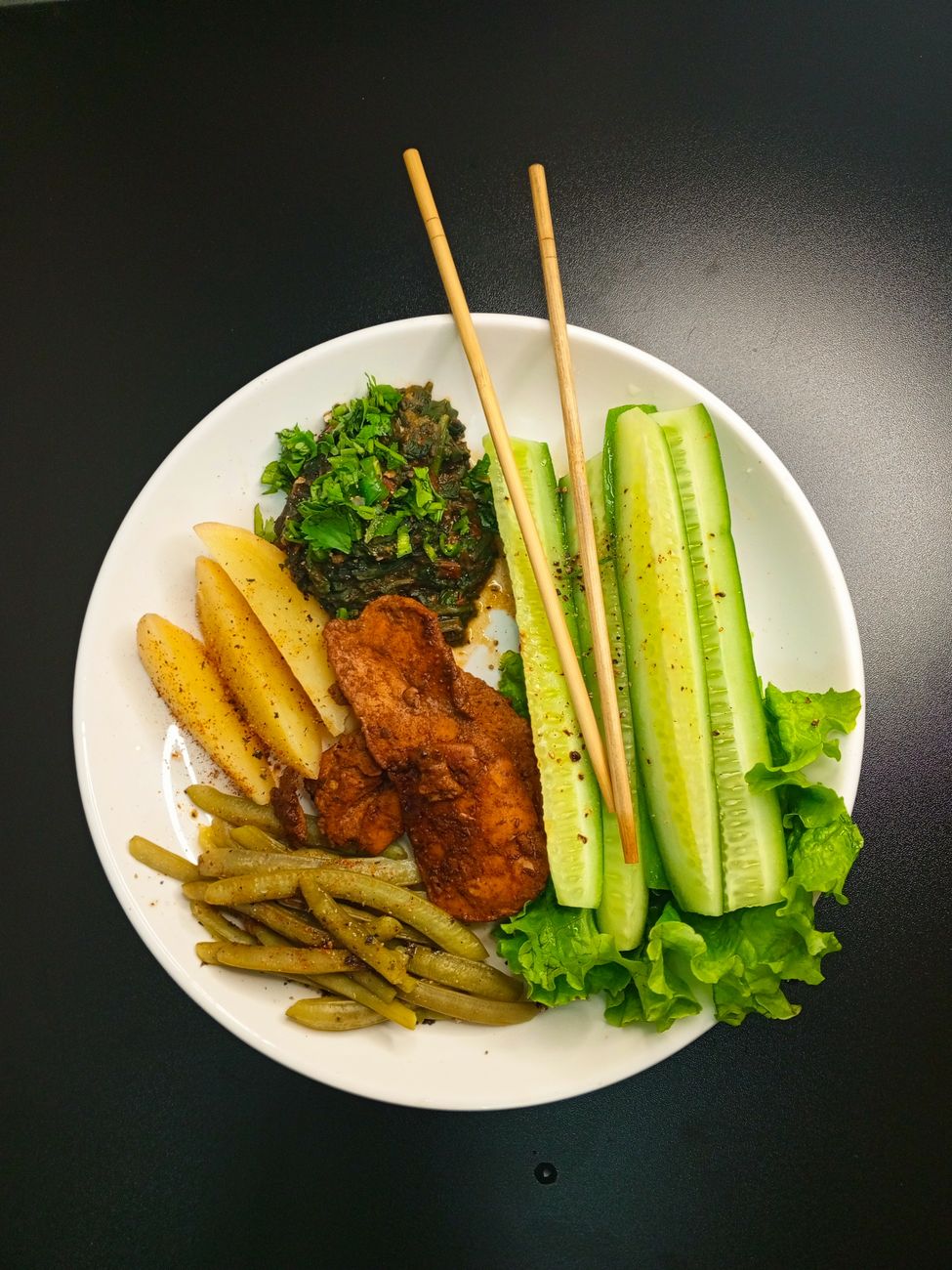
Eating a balanced Mediterranean-style plate—filled with vegetables, lean protein, and healthy fats—makes it naturally harder to overeat calories compared to eating calorie-dense processed snacks.
2. Hidden Calories in “Fasting-Safe” Drinks
Are you strictly fasting for 16 hours, but loading your morning coffee with heavy cream, flavored syrups, honey, or bulletproof butter?
Consuming 150 to 300 calories in your morning drinks during your “fasting window” destroys your calorie deficit. You are essentially eating breakfast in liquid form without realizing it, which completely undoes the metabolic benefits of your fast.
3. Water Retention and Cortisol Stress
Starting a new intermittent fasting routine puts initial physical stress on the body.
- Stress increases the hormone cortisol.
- High cortisol causes your body to retain water and store glycogen in your muscles.
This temporary water retention can mask actual fat loss on the scale for the first 2 to 3 weeks. If your clothes feel looser but the scale is stubborn, it is likely water weight caused by initial adaptation stress.
4. Lack of Sleep and Poor Recovery
Fasting combined with chronic sleep deprivation is a recipe for weight gain. When you sleep less than 7 hours a night, your body produces more ghrelin (hunger hormone) and less leptin (fullness hormone). This leads to intense sugar cravings and overeating during your feeding window.
How to Fix It
If your weight loss has stalled or reversed on 16/8 fasting, try these adjustments:
- Track Your Intake for One Week: Use a simple food log to ensure you aren’t accidentally overeating during your meals.
- Focus on Whole Foods: Fill your plate with lean proteins, vegetables, healthy fats, and high-fiber whole grains.
- Clean Up Your Fast: Stick strictly to water, black coffee, and plain tea during your 16-hour fasting window.
- Manage Stress: Incorporate gentle daily movement and deep breathing to lower cortisol.
Frequently Asked Questions
1. Should I count calories while intermittent fasting?
While you don’t have to count calories forever, tracking for one week can be an eye-opening way to ensure you are truly in a calorie deficit during your eating window.
2. Can eating too late at night cause weight gain?
Eating a large meal right before bed can interfere with sleep quality and digestion. Try to finish your last meal 3 hours before sleep to improve metabolic outcomes.
3. Why does my weight fluctuate daily during fasting?
Daily scale fluctuations are normal and usually reflect changes in water retention, sodium intake, or glycogen storage, not fat gain. Look at your weight trend over weeks, not days.
4. Does eating high-protein meals help with weight loss on 16/8?
Yes, high-protein meals significantly improve satiety, boost metabolic rate, and help preserve muscle mass, which makes long-term weight management much easier.
5. Can stress alone make me gain weight on 16/8?
Stress can work against you in two ways. High cortisol makes your body hold water, so the scale rises. Stress also increases cravings, which can lead to overeating in your eating window.
6. How long should I try 16/8 before I judge my results?
Give it at least two to three weeks. Early scale changes are often water, not fat. Judge your progress by your weekly weight trend and how your clothes fit.
7. Should I try a shorter eating window, like 18/6?
You can, if 16/8 already feels easy. A shorter window helps some people eat less. But food quality and total calories still matter more than the exact window length.
8. Does alcohol in my eating window affect weight loss?
Yes. Alcohol adds empty calories, increases hunger for many people, and harms sleep quality. Poor sleep then raises hunger hormones the next day. Limit alcohol if weight loss is your goal.
9. Can medicines cause weight gain while fasting?
Some medicines can affect weight or appetite. Never stop or change a medicine on your own. If you suspect a medicine is the cause, talk to your doctor about it.
10. What is the first thing to check if I am gaining weight?
Track everything you eat and drink for one week. Most people find hidden calories — in drinks, snacks, or large portions — that they did not notice before.
This article is general information only and is not medical advice.
Read next: 10 Health Benefits of Intermittent Fasting
Pingback: Can Intermittent Fasting Help with Acid Reflux and GERD? - Dietinfo